
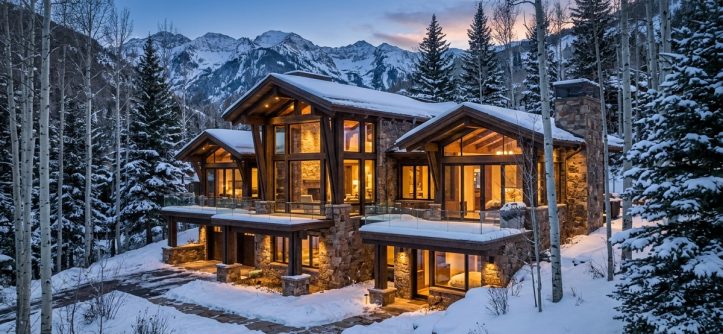
A mountain home around Aspen can offer remarkable views, trail access, and a distinct four-season lifestyle. It also comes with practical questions that may not arise in a typical neighborhood purchase. Buyers are choosing more than a house. They are choosing an access route, weather exposure, utility setup, maintenance plan, and set of local rules.
For buyers weighing property condition against long-term improvement potential, Aspen, CO real estate agents Aspen Luxury Brokers offer brokerage guidance shaped by real estate and design-build experience. Aspen Luxury Brokers works in the Aspen market with a perspective on both acquisition and renovation considerations, helping buyers evaluate what a property is today and what may be involved in improving it.
Start With How You Will Use The Home
A primary residence, ski-season retreat, occasional getaway, and rental property can have very different requirements. Before touring homes, define how often the property will be occupied, who will use it, and whether it must support remote work, children, guests, or aging family members.
For a full-time home, proximity to groceries, medical services, schools, and work routes may matter as much as a view. For a second home, consider who will monitor the property during vacancies, respond to a frozen pipe, coordinate cleaning, or authorize an emergency repair. A home that works beautifully for a few summer weekends may feel very different during a snowy February week.
Test Year-Round Access
Ask whether the road is public, private, shared, gated, or managed through an HOA. Then determine who pays for plowing, grading, drainage maintenance, fallen-tree removal, and major repairs. Written road-maintenance agreements are especially important when multiple owners depend on the same route.
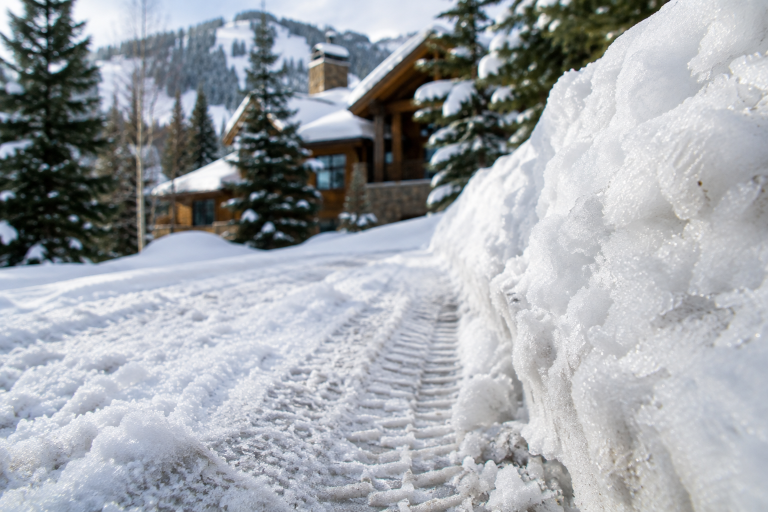
At the home itself, assess driveway slope, turnaround space, parking, and room to store plowed snow. If possible, drive the route in rain, snow, or after dark. Ask the seller about prior closures, emergency access, seasonal traction needs, and whether delivery trucks or service vehicles can safely reach the home.
Confirm whether the home uses municipal water, a private well, a shared well, a spring, or a cistern. Request available permits, water testing, flow information, service records, and details about shared-system responsibilities. Water reliability is not a minor detail when a property is used year-round or sits vacant for extended periods.
If the property has septic, verify the permitted bedroom count, locate the tank and drain field, and obtain pumping and inspection records. A specialty septic inspection can identify concerns that a standard home inspection may not fully address. Also confirm the heating fuel source, propane tank ownership, trash service, cell coverage, internet options, backup power, and winter pipe-protection plan.
Look Past Fresh Paint And New Finishes
Updated kitchens and attractive furnishings should not replace a careful assessment of the building envelope and major systems. Pay close attention to the roof, foundation, site drainage, retaining walls, decks, exterior stairs, windows, chimneys, and heating equipment. Mountain conditions can place added demands on materials through snow, ice, moisture, temperature swings, and strong sun exposure.
Use inspectors familiar with mountain construction, then add specialists when the property warrants it. Depending on the home, that may include radon testing, chimney or wood-stove review, structural evaluation, well testing, septic inspection, and review of visible moisture or movement concerns. Inspection findings should be translated into a realistic repair scope, not just a list of observations.
Price Insurance And Wildfire Exposure Early
Request an insurance quote before key contract deadlines expire. Ask specifically about coverage for wildfire, wind, hail, snow-related damage, vacancy, water losses, and short-term rental use if relevant. Compare deductibles, replacement-cost terms, roof requirements, exclusions, and any mitigation work requested by the insurer.
Wildfire preparation also deserves an on-site review. Roof materials, vent screening, vegetation near the structure, deck condition, driveway access, and water availability can affect both risk planning and maintenance priorities. The home ignition zone guidance from the Colorado State Forest Service emphasizes that reducing ignition risk and maintaining defensible space are continuing responsibilities rather than one-time projects.
Check Zoning, Permits, And Remodeling Flexibility
Never assume a future addition, guest space, garage, deck, hot tub, or major remodel will be approved. Review zoning, setbacks, easements, floor-area limits, property boundaries, prior permits, and HOA design rules before making plans around an improvement.
Requirements can differ by jurisdiction and neighborhood. Within the City of Aspen, the currently adopted building and energy codes include the 2024 Colorado Wildfire Resiliency Code, which took effect on April 23, 2026. Buyers should discuss the scope of a contemplated project with qualified local professionals before treating a renovation budget or timeline as certain.
Build A Complete Ownership Budget
The purchase price is only the starting point. Build an ownership budget that accounts for financing, taxes, insurance, heating, utilities, snow removal, road fees, landscaping, cleaning, property management, and routine maintenance. Maintain reserves for large expenses such as roof replacement, deck repairs, driveway work, wildfire mitigation, well service, septic repairs, and urgent labor.
Separate cosmetic work from projects involving structure, drainage, insulation, windows, mechanical systems, or permits. Remote locations, weather interruptions, and contractor scheduling can complicate both cost and timing. Obtain written estimates where possible, but leave room for discoveries that can arise after walls, roofs, or site conditions are opened up.
Compare Resale And Rental Potential Realistically
Views are valuable, but resale appeal also depends on access, parking, layout, bedroom count, storage, sunlight, outdoor usability, internet reliability, and condition. A property that is easy to reach and comfortable in every season can appeal to a broader group of future buyers than one with a dramatic setting but difficult logistics.
If rental income is part of the plan, verify local licensing, occupancy, tax, parking, and HOA requirements before relying on projected revenue. Evaluate verified operating expenses alongside potential income. Improvements should support the home’s location and likely buyer pool, rather than creating an overbuilt property with limited market appeal.
Use A Simple Property Scorecard
Rate each property from one to five in these categories to keep emotions from overshadowing due diligence:
- Year-round road and driveway access
- Water, septic, heating, power, and internet reliability
- Insurance availability and likely cost
- Wildfire exposure and mitigation needs
- Zoning, permit history, and renovation flexibility
- Maintenance burden and near-term capital needs
- Resale appeal and rental feasibility
Follow A Clear Due-Diligence Timeline
- Before touring: Set the budget, intended use, access needs, and non-negotiable features.
- During the showing: Inspect the road, driveway, slope, drainage, utility setup, sun exposure, and surrounding vegetation.
- Before making an offer: Research insurance, zoning, rental rules, HOA documents, road responsibilities, and permit history.
- During inspections: Schedule general and specialty inspections appropriate to the property.
- Before closing: Confirm title items, easements, utility transfers, maintenance agreements, repair estimates, and insurance coverage.
Common Questions
What is the most important thing to check before buying a mountain home?
Access, utilities, insurance, property condition, and local regulations should be reviewed together. A major weakness in any one area can change the cost, safety, and practicality of ownership.
Are older mountain homes a bad investment?
Not necessarily. Older homes may offer desirable locations and character, but buyers should carefully assess insulation, drainage, roofing, mechanical systems, and safety upgrades before deciding what the property is truly worth.
Can a buyer assume a remodel will be approved?
No. Approval can depend on zoning, setbacks, building codes, wildfire requirements, HOA rules, permit history, and the specific scope of work.
Final Takeaway
Buying a mountain home in Aspen requires more than falling in love with the view. A disciplined review of access, utilities, condition, insurance, wildfire preparedness, regulations, and long-term costs helps buyers choose a property that can work through winter weather, summer maintenance, and everyday ownership.




Leave a Reply