
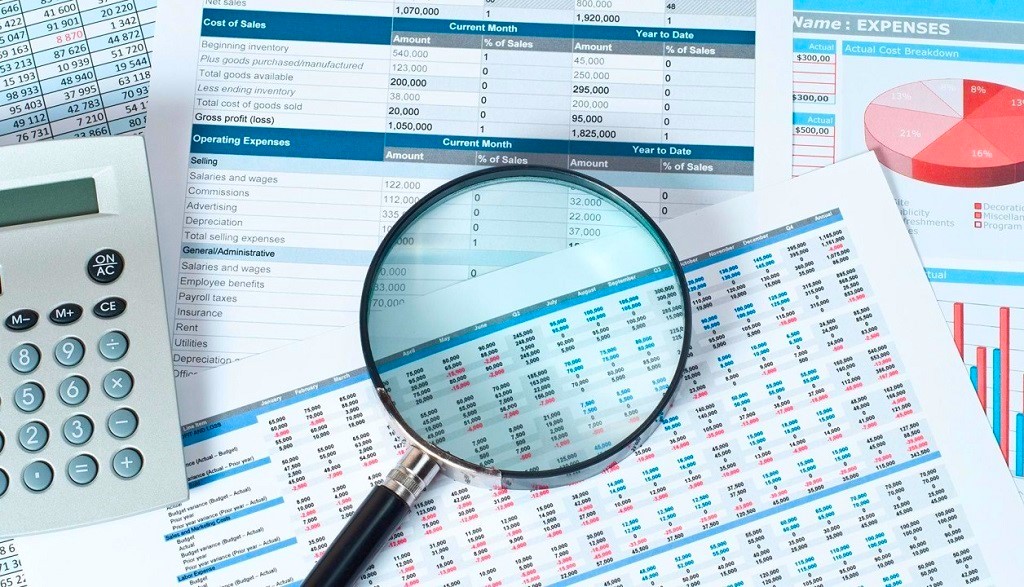
The balance sheet, a fundamental financial statement, offers a snapshot of a company’s financial health at a specific point in time. While it might appear like a table of numbers, it’s a treasure trove of insights, capable of guiding investors, creditors, and business owners alike. Let’s dive into how to decipher this financial blueprint.
The Fundamental Equation: The Bedrock of Balance
At its core, the balance sheet is governed by a simple yet powerful equation:
Assets = Liabilities + Shareholders’ Equity
This equation illustrates that a company’s resources (assets) are financed through two primary sources: borrowed funds (liabilities) and investments made by owners (shareholders’ equity). Understanding this balance is crucial to grasping the overall financial picture.
Assets: The Company’s Resources
Assets are the things a company owns that have economic value. They’re divided into two categories:
- Current Assets: These are expected to be converted into cash or used up within one year. Examples include:
- Cash: The most liquid asset, representing readily available funds.
- Accounts Receivable: Money owed to the company by its customers.
- Inventory: Goods held for sale or production.
- Prepaid Expenses: Payments made in advance for services yet to be received.
- Non-Current Assets: These are long-term investments and resources, expected to provide value over an extended period. Examples include:
- Property, Plant, and Equipment (PP&E): Land, buildings, machinery, etc.
- Intangible Assets: Patents, copyrights, trademarks, goodwill.
- Investments: Long-term holdings in stocks, bonds, or real estate.
Liabilities: The Company’s Obligations
Liabilities represent the debts a company owes to external parties. They’re also classified into current and non-current:
- Current Liabilities: Due within one year, these include:
- Accounts Payable: Amounts owed to suppliers for goods or services.
- Short-Term Debt: Loans and borrowings with a maturity of less than one year.
- Accrued Expenses: Expenses incurred but not yet paid.
- Non-Current Liabilities: Due beyond one year, these include:
- Long-Term Debt: Bonds, mortgages, and other long-term borrowings.
- Deferred Tax Liabilities: Taxes that are due in future years.
Shareholders’ Equity: The Owner’s Stake
This section reveals the residual claim of the owners (shareholders) after all debts have been settled. It comprises:
- Common Stock: The par value of shares issued to investors.
- Additional Paid-in Capital: The amount received above the par value of common stock.
- Retained Earnings: The accumulated profits of the company that haven’t been distributed as dividends.
- Treasury Stock: Shares repurchased by the company from the market.
Decoding the Balance Sheet: Beyond the Numbers
Analyzing a balance sheet goes beyond merely recognizing the components. It involves extracting meaningful insights:
- Liquidity: Assess the company’s ability to meet short-term obligations by comparing current assets to current liabilities.
- Solvency: Evaluate the company’s long-term financial stability by examining the proportion of debt to equity.
- Asset Composition: Understand the nature of the company’s investments and how they generate revenue.
- Capital Structure: Analyze the mix of debt and equity financing, and its impact on risk and return.
- Trend Analysis: Compare balance sheets over time to identify patterns and trends in the company’s financial health.
Beyond the Balance Sheet: A Holistic View
While the balance sheet is a vital tool, it shouldn’t be analyzed in isolation. Consider it in conjunction with the income statement (which shows profitability over a period) and the cash flow statement (which reveals the sources and uses of cash). By viewing these statements together, you can gain a comprehensive understanding of the company’s financial performance and position.
Related: Essential Packaging Accessories to Elevate Your Brand’s Presentation
Conclusion
The balance sheet is far from a static document. It’s a dynamic reflection of a company’s financial journey. By mastering the art of reading and interpreting it, you’ll unlock a wealth of knowledge that empowers you to make informed financial decisions, whether as an investor, creditor, or business owner.




Leave a Reply