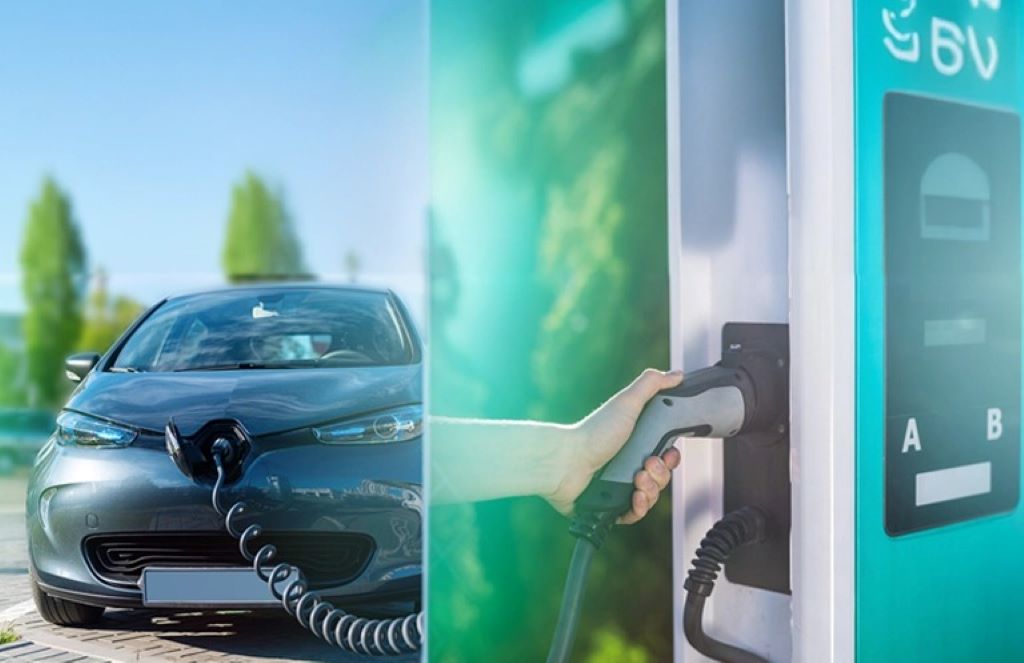
Innovations in Electric Vehicle Charging Infrastructure
Key Takeaways:
- Explore the newest electric vehicle charging technology developments that make electric cars more viable for everyone.
- Understand the benefits and challenges of new charging innovations and how they affect daily users.
- Gain insights from recent industry reports and developments that shape the future landscape of EV infrastructure.
The realm of electric vehicles (EVs) is swiftly changing, and the demand for efficient and accessible EV chargers is growing. As electric cars gain wider acceptance, the infrastructure required to support them needs to keep pace. Solutions like advanced charging systems are becoming more sophisticated to accommodate the increasing number of electric cars on the road and to meet the needs of a more environmentally conscious public. Understanding these innovations is crucial for current and potential EV owners, as they shape the future of sustainable transportation. Not only do these new charging solutions promise quicker sessions, but they also present a greener, more reliable framework for the growing EV market.
Advancements in charging infrastructure are about speed, sustainability, and convenience. As more people opt for cleaner modes of transportation, the charging landscape is seeing exciting changes. Due to increased demand, electrical contractors face significant growth potential in the electric vehicle (EV) charging industry. This article delves into some of the most important innovations redefining EV charging today, highlighting how these developments can enhance the adoption and efficiency of electric vehicles across the globe.
The Rise of Fast Charging Stations
With the capacity to dramatically shorten charging times, these stations are a game-changer for EV adoption. Recent advances have focused on reducing wait times, with some stations providing up to an 80% charge in as little as 30 minutes. This capability is convenient for local commuters. It opens up possibilities for long-distance travel, tackling a major issue for prospective electric vehicle purchasers who worry about range limitations. Insights from experts on fast charging highlight their importance in the EV ecosystem, noting that these quick-stop solutions are particularly beneficial in urban areas where time and accessibility are precious commodities.
Wireless Charging for Electric Vehicles
Wireless charging promises unparalleled convenience, allowing EV owners to power their vehicles by merely positioning them over a charging pad. This contactless solution eliminates the need to connect and disconnect charging cables, a significant advantage in urban settings where space and ease of use are paramount. However, the technology is still in its infancy, with pilot projects underway to test efficiency and reliability. Despite the challenges, such as the need for widespread infrastructure adaptation and cost considerations, the potential to streamline the charging experience is undeniable. This technology is promising for adapting public spaces and shared parking areas into seamless charging hubs without cluttering them with bulky equipment.
Home-Based Charging Innovations
Charging at home is essential to electric vehicles’ convenience and is witnessing substantial innovations. New home charging systems focus on improving safety features and efficiency, making them more user-friendly for everyday drivers. Developments include smart chargers that schedule charging times based on utility rates or even harness solar power for greener energy consumption. These smart systems optimize energy usage and offer financial savings over time by aligning with off-peak electricity rates. Such advancements are reshaping perceptions of home-based charging, granting greater autonomy and control to EV owners.
Battery Swap Stations: A New Approach?
Battery swap stations offer an intriguing alternative to conventional charging. While this approach could significantly reduce downtime, its feasibility hinges on standardizing batteries across different EV models. Some countries have already made significant strides in adopting this model, showcasing its potential efficiency and cost-effectiveness. However, other regions approach this method cautiously due to logistical hurdles and compatibility issues among varying vehicular designs. Nonetheless, it presents an innovative avenue to reduce wait times and extend vehicle range in high-demand scenarios.
Renewable Energy in Charging Stations
Integrating renewable energy sources into charging stations is a trend driven by the global push toward sustainability. By harnessing solar or wind power, charging stations can substantially reduce their carbon footprint and align with international emissions reduction goals. It elevates the ecological advantages of EV use and diminishes the operational costs associated with fossil fuels. Many forward-thinking municipalities and businesses are adopting such renewable-driven facilities, combining resources to create a cleaner energy network supporting the increased adoption of electric vehicles.
The Future of Autonomous EV Charging
As technology evolves, so does the potential for autonomous EV charging systems. Imagine scenarios where your vehicle can self-navigate to a charging station, recharge, and return without human intervention. Although this sounds like science fiction, significant research is being invested in AI and robotics to make such scenarios possible, promising a seamless and stress-free user experience. Such innovative systems could drastically change fleet operations by enabling more efficient scheduling and utilization of vehicle operations, thus maximizing uptime and reducing human labor costs.
Challenges and Roadblocks
Despite these advancements, several hurdles impede the rapid deployment of enhanced EV charging technologies. Regulatory hurdles, technological limitations, and economic factors, such as high initial costs and the required infrastructure investment, present considerable barriers. The transition to standardized systems across different regions remains complex, slowing widespread adoption. Overcoming these obstacles will require cooperation between policymakers, manufacturers, and consumers to ensure sustained growth in the EV market.
In conclusion, the innovations redefining electric vehicle charging infrastructure are vital for the continued evolution of transportation. As technology progresses, overcoming the current challenges will be key to ensuring the global success and integration of electric vehicles into everyday life. Through continued advances and strategic investment, a future of more sustainable, efficient, and accessible charging networks is not merely a potential but a concrete fact on the horizon.