

Key Takeaways
- The best vehicle supports your normal routine, not just your ideal weekend plans.
- The purchase price matters, but insurance, fuel, repairs, tires, and resale value matter too.
- Sedans, SUVs, hybrids, plug-in hybrids, and EVs each work best for different needs.
- A thorough test drive and a careful used-vehicle inspection can prevent expensive regrets.
- A comfortable budget should account for the full cost of owning the vehicle.
Choosing a vehicle in 2026 involves more than finding a color, body style, or monthly payment that looks appealing. The right choice should make commuting, errands, family trips, parking, and long-distance travel easier without putting unnecessary pressure on your budget. Buyers exploring their options can learn more about current vehicle choices before narrowing the search to a few models that fit their needs.
A low monthly payment can be misleading when it comes with a long loan term, a high interest rate, or large costs due at signing. A vehicle that seems affordable at the dealership may become frustrating if it uses more fuel than expected, costs too much to insure, or does not fit daily passengers and cargo.
Why Vehicle Choice Requires More Than A Price Check
Think about the difference between buying a vehicle for a real lifestyle and buying one for an occasional situation. A commuter who drives 20 miles a day, parks in a tight garage, and rarely carries more than one passenger may not need a large three-row SUV. Bigger vehicles can provide useful space, but they may also bring higher fuel use, more expensive tires, and more difficult parking.
Instead of concentrating only on the sticker price, compare the likely total cost over the years you expect to own the vehicle. This approach helps reveal whether a lower-priced model could cost more over time or whether a slightly higher initial price may be worthwhile because of efficiency, warranty coverage, or stronger resale value.
Start With A Real-Life Driving Profile
Before comparing trims, make a short list of what your week actually looks like. Include your average daily mileage, longest regular trip, number of passengers, typical cargo, parking situation, local weather, road-trip frequency, and expected ownership period. Be honest about regular needs rather than rare needs. Renting a larger vehicle once or twice a year can sometimes cost less than owning extra capacity every day.
Match The Vehicle Type To The Daily Routine
Sedans
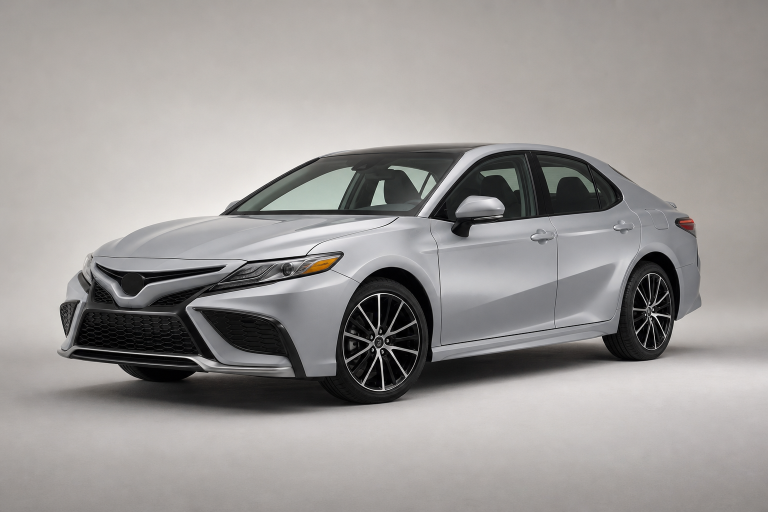
Sedans often work well for solo drivers, couples, and commuters who value easy parking, a smooth highway ride, and lower running costs. They can be less convenient for bulky cargo, large families, or drivers who prefer a taller seating position, so check trunk access and rear-seat room during the test drive.
Compact And Midsize SUVs
Compact and midsize SUVs offer flexible cargo areas, elevated seating, and practical layouts for growing households. They can be a sensible middle ground, but buyers should compare dimensions carefully. Extra size affects fuel use, tire replacement costs, garage fit, and maneuverability in crowded parking lots.
Three-Row SUVs
A three-row SUV can be useful for larger households, carpools, and frequent trips with several passengers. Do not rely on the seat count alone. Sit real passengers in the third row, check how easily they can enter and exit, and inspect the cargo area with every row in use.
Hybrids And Plug-In Hybrids
Hybrids can reduce fuel consumption without requiring a charging routine, making them practical for drivers who travel varied distances. Plug-in hybrids can be especially useful when daily trips are short and charging is convenient at home or work. Without regular charging, however, a plug-in model may not deliver its full potential.
Electric Vehicles
Electric vehicles deserve a closer look at home charging, normal daily mileage, public charging availability, and road-trip habits. Usable range is more important than a single advertised number because cold temperatures, highway speeds, hills, cargo, and strong climate-control use can reduce range. For model-specific estimates, the federal fuel economy and vehicle comparison tools can help compare efficiency, annual energy costs, and powertrain options.
Calculate The Total Cost Of Ownership
Create a five-year estimate before shopping. Start with the purchase price or expected loan balance, then add sales tax, registration, documentation fees, insurance, fuel or electricity, scheduled maintenance, tires, brakes, and possible repairs. Finally, consider likely resale or trade-in value. Request insurance quotes for the exact year, trim, and vehicle identification details when possible, because similar-looking vehicles can have very different premiums.
Set A Comfortable Budget Before Shopping
Your payment should fit alongside housing, savings, food, debt payments, and other household priorities. Include parking, registration, charging equipment if needed, and an emergency repair fund. Comparing out-the-door prices is more useful than comparing advertised prices, and extending a loan only to lower the monthly payment can create more interest expense and leave you owing money longer than expected.
Compare Features That Matter Every Day
Small details often determine whether you enjoy a vehicle after the excitement of buying it fades. Evaluate seat comfort, driving position, visibility, blind spots, highway noise, climate control, phone connection quality, rear-seat room, cargo access, camera clarity, and driver-assistance settings. Try the infotainment system yourself instead of assuming it will become intuitive later.
Review Safety Information Before Buying
Safety ratings, driver-assistance features, and recalls answer different questions. Ratings describe crash-test performance, assistance features may help support the driver, and recalls address identified safety problems that need repair. Before buying used, search the vehicle identification number and confirm that open repairs have been completed. The official recall search for a specific vehicle can also show recalls, complaints, investigations, and manufacturer communications.
New, Used, Or Certified Pre-Owned?
When A New Vehicle May Fit Best
New vehicles provide a known history, full warranty coverage, current technology, and sometimes simpler financing choices. They may be a strong fit for buyers who plan to keep a vehicle for many years or who want predictable ownership during the early years.
When A Used Vehicle May Offer Better Value
Used vehicles can lower the purchase price, reduce early depreciation, and provide more features for the budget. Review the history report, service records, title status, prior accident or flood damage, tire age, warning lights, fluid leaks, and maintenance needs. An independent inspection is worth considering even when a vehicle appears clean.
Use A Better Test-Drive Process
- Drive on both local streets and highways.
- Test braking, steering, acceleration, ride quality, and cabin noise.
- Spend several minutes in every seat you expect to use.
- Load regular cargo such as a stroller, sports bag, or work equipment.
- Practice parking, turning, visibility checks, and camera use.
- Operate the technology without relying on the salesperson.
Common Vehicle-Buying Mistakes To Avoid
Avoid choosing only by appearance, comparing payments instead of total loan cost, ignoring insurance quotes, buying more space than necessary, assuming every EV fits the same charging routine, skipping a used-car inspection, overlooking tire costs, or rushing because of sales pressure. A vehicle is easier to enjoy when the decision is based on evidence rather than urgency.
A Simple Decision Checklist
- Does it fit the daily commute, regular passengers, and normal cargo?
- Can you afford its full ownership cost without stretching the household budget?
- Does the powertrain suit your mileage, fuel access, or charging routine?
- Are insurance, maintenance, and repair expectations reasonable?
- Has it passed a careful test drive, safety review, and used-vehicle inspection if applicable?
Conclusion
The right vehicle does not need to be the largest, newest, fastest, or most expensive option. It should fit your daily life, provide the space and comfort you actually use, and remain affordable long after the purchase is complete. A clear needs assessment, realistic ownership-cost estimate, careful test drive, and safety review can lead to a more confident decision.




Leave a Reply