
Owning a pool in New York comes with a short but intense swimming season, unpredictable weather, and plenty of trees dropping debris into the water. That combination makes certain maintenance mistakes far more damaging here than in warmer, drier states. One error many homeowners make is relying on the wrong cleaning equipment for the job, which is why it helps to check out this guide before assuming any vacuum will handle leaves, pollen, and fine silt alike. The bigger issue, though, is that most pool problems start long before the water turns cloudy. Below are the mistakes worth avoiding, why they matter in a New York climate, and what to do instead.
Quick Answer
The most damaging pool maintenance mistakes New York homeowners make are ignoring chemical balance after heavy rain, skipping filtration runs, vacuuming and brushing inconsistently, failing to winterize properly, and letting debris sit in the water. Each one accelerates algae growth, shortens equipment life, and can turn a clear pool into a costly cleanup. Consistent weekly attention matters more than any single product.
Key Takeaways
- New York’s heavy summer rain dilutes chlorine and shifts pH, so testing after storms is essential, not optional.
- Short filtration cycles leave fine debris and pollen suspended, making algae blooms more likely.
- Brushing and vacuuming are separate jobs, and skipping either leaves a layer of debris that chemicals cannot reach.
- Improper winterization is one of the most expensive mistakes because freeze damage can crack lines and equipment.
- Consistent small tasks each week cost far less than a single major cleanup or repair.
Why New York Pools Face Different Pressures
A pool in Arizona and a pool in New York do not fail the same way. The Northeast’s shorter season, intense tree canopy, and frequent summer thunderstorms create a specific set of problems. Heavy rain introduces runoff, raises water levels, and dilutes the sanitizer you just added. Pollen season coats the surface and clogs filters. Falling leaves in early fall can overwhelm a skimmer within days, If you are looking to upgrade your backyard setup or are curious about different pool materials, you might enjoy reading our guide on what people love about fiberglass pools.
Understanding these local pressures changes how you prioritize. It is not about doing more work, it is about doing the right work at the right time. A homeowner who tests after every storm and clears debris promptly will spend less money and less time than one who follows a generic maintenance checklist built for a different climate.
Mistake 1: Ignoring Water Chemistry After Rain
Rainwater is not neutral. It carries pollutants, lowers pH in many cases, and dilutes free chlorine. After a heavy summer storm, a pool that was perfectly balanced in the morning can be under-sanitized by evening. Letting that condition sit for a day or two is enough time for algae to establish itself.
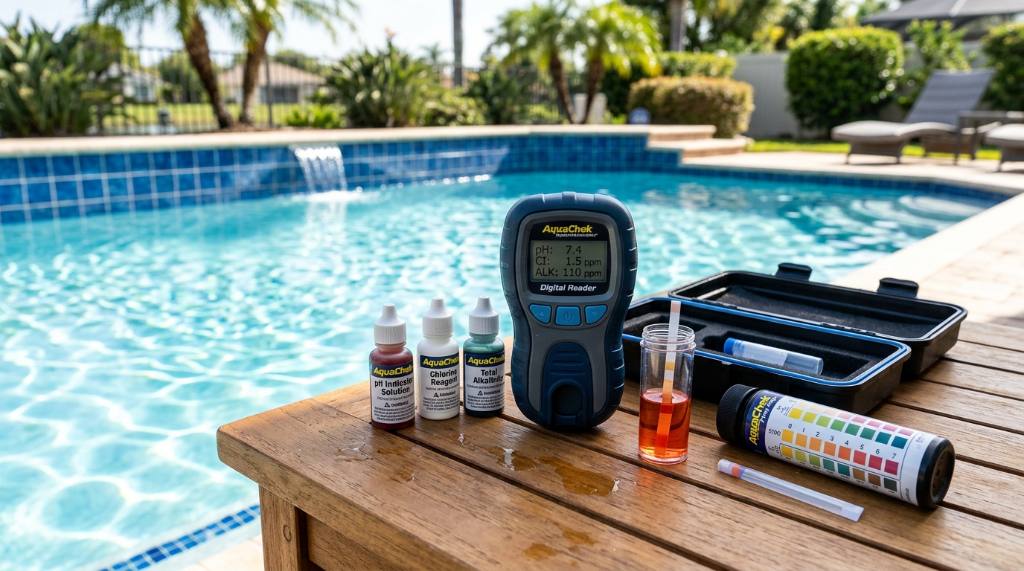
What to do instead: test free chlorine and pH within 24 hours of significant rainfall. If chlorine has dropped below the recommended range for your pool type, shock or rebalance rather than simply adding a small dose. Pay attention to total alkalinity as well, since it stabilizes pH and prevents it from swinging wildly.
Why pH Drift Is More Than a Nuisance
When pH drifts too high, chlorine becomes far less effective even when you have added enough of it. When it drops too low, the water becomes corrosive and can damage liners, ladders, and pump seals over time. This is why testing matters more than blindly adding chemicals on a schedule.
Mistake 2: Running the Filter Too Little
Many homeowners cut filtration time to save on electricity, especially during the hot months when the pump runs longer anyway. The problem is that an under-filtered pool leaves fine particles suspended, which feeds algae and makes the water look dull even when it is technically sanitized.
A useful general guideline is to run the pump long enough to turn over the full volume of the pool at least once per day, and longer in peak summer or after heavy use. If the water looks hazy, the answer is usually more filtration, not more chemicals. Clean or backwash the filter when pressure rises noticeably above its clean baseline, since a clogged filter is nearly as bad as no filter at all.
Mistake 3: Skipping Brushing Because Vacuuming Seems Enough
Vacuuming removes debris from the floor, but it does not address the thin layer of biofilm and algae that clings to walls, steps, and corners. That layer will keep the pool cloudy and will regrow quickly if left in place. Brushing dislodges it so it can be captured by the filter or vacuumed up.
Brush the walls, floor, steps, and any ladders or handrails at least weekly during swim season. Follow with vacuuming so the loosened material does not simply settle again. If your pool collects a lot of leaves, consider a dedicated cleaner that handles both fine and large debris, since a weak vacuum will clog and leave you redoing the job.
Mistake 4: Letting Debris Sit in the Water
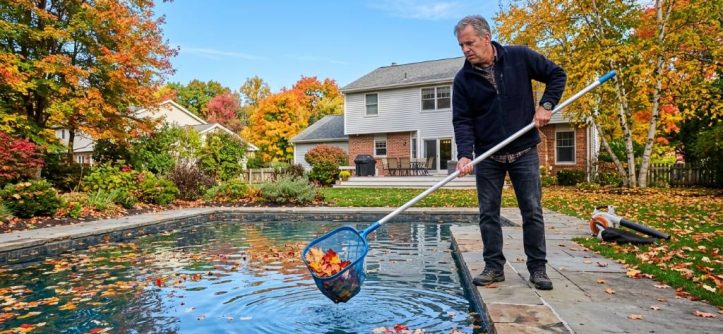
Leaves, grass clippings, and pollen do not just look bad. As they decompose, they consume chlorine, feed algae, and stain surfaces. In New York, where trees line many backyards, a single windy afternoon can dump a surprising amount of material into the pool.
Skim the surface daily during heavy debris periods. Empty skimmer baskets before they overflow, because a clogged basket restricts flow and strains the pump. If you notice staining on the floor, address it before it sets, since organic stains become harder to remove the longer they sit.
Mistake 5: Winterizing Incorrectly or Too Late
This is often where the biggest costs hide. A pool that is not winterized properly is vulnerable to freeze damage, which can crack pipes, damage the pump, and lead to expensive spring repairs. Waiting until the first hard freeze is risky, since the process takes time and the weather does not always cooperate.
Lower the water to the correct level for your cover type, blow out and plug the lines, add appropriate winter chemicals, and cover securely. If you are unsure about your specific setup, have a professional close the pool the first time so you can see exactly what your equipment requires. Getting this right once saves far more than it costs.
What Happens If You Skip It
Water trapped in lines expands as it freezes, which is why undrained plumbing is the most common cause of season-opening headaches. Even a single cracked line can mean a noticeable repair bill and a delayed start to your swimming season.
Mistake 6: Not Matching Equipment to the Actual Job
A common misconception is that any pool vacuum will handle any mess. In reality, fine silt, sand, pollen, and large leaves require different tools. Using the wrong one means debris gets stirred up rather than removed, or the filter clogs repeatedly. Choosing equipment that suits your pool’s size and the type of debris you actually deal with will save hours over a season.
Frequently Asked Questions
How often should I test my pool water in New York?
At least two to three times per week during swim season, and always within a day after heavy rain or a busy swimming session. More frequent testing during hot or stormy stretches helps you catch imbalances before they turn into algae problems.
Is it okay to leave my pool uncovered all summer?
You can, but an uncovered pool collects more debris, loses chlorine faster, and evaporates more water. A cover or solar blanket reduces chemical use and cleaning time, especially in a region with New York’s pollen and leaf load.
Why does my pool turn cloudy even when chlorine levels look fine?
Cloudiness often comes from poor filtration, low filtration run time, or debris that has not been brushed and vacuumed. Check filter pressure and cleanliness first, then review your circulation schedule before adding more chemicals.
Can I winterize my pool myself?
Yes, if you understand your plumbing and equipment. The risk lies in missing steps like draining lines or lowering water to the correct level. Many homeowners choose professional closing the first year to avoid freeze damage.
How do I know my filter needs cleaning?
Watch the pressure gauge. When it reads noticeably higher than the clean baseline, it is time to clean or backwash. A consistently rising gauge with reduced flow is a clear signal the filter is overloaded.
What debris problem is most common in New York pools?
Leaves and pollen top the list, with wind and storms bringing in grit and runoff. This mix makes both skimming and a capable vacuum essential, since fine particles and large leaves need different handling.
Conclusion
Most pool problems in New York trace back to a few predictable habits: waiting too long after storms, cutting filtration short, skipping brushing, and rushing winterization. None of these mistakes is dramatic on its own, but together they lead to cloudy water, algae, and costly repairs. The better approach is a simple weekly routine: test, skim, brush, vacuum, and check your filter. Handle those consistently and your pool will stay clearer, your chemicals will go further, and your equipment will last longer.




Leave a Reply