
Key Takeaways
- In Estes Park, a mountain home should be evaluated for access, utilities, hazards, and upkeep, not only views or square footage.
- Road conditions, snow removal, drainage, and emergency access can shape how comfortably a property works year-round.
- Well, septic, heating, insurance, zoning, and rental rules should be reviewed before an inspection deadline passes.
- A realistic ownership budget includes maintenance reserves, seasonal services, and possible contractor travel costs.
Why Estes Park Mountain Homes Need Extra Research
Buying in Estes Park means considering the practical realities behind the scenery. A home near town may have different road access, utility service, terrain, and maintenance demands than a cabin farther into the Estes Valley. Steep grades, winter weather, wind exposure, wildlife, and longer contractor travel distances can all affect ownership. For buyers comparing neighborhoods and property types, Estes Park real estate experts Estes Park Team Realty provide local property-search tools and buyer and seller guidance focused on Estes Park and nearby mountain communities. Estes Park Team Realty emphasizes personalized service and local experience, which can be valuable when a purchase requires close attention to access, parcel details, and the day-to-day fit of a mountain property. The goal is not to predict short-term market movement. It is to identify a home that matches your finances, intended use, and willingness to handle mountain maintenance. A beautiful setting is important, but dependable access and manageable systems are what make a home enjoyable after closing.
Define How You Will Use The Home
Your intended use should guide every part of the search. A full-time residence may need reliable internet, easy winter driving, nearby services, and space for daily routines. A second home may require remote monitoring, winterization, and a dependable local service network. Retirees may place more weight on stairs, medical access, and low-maintenance features.
Questions To Ask Early
- Will you use the home year-round or only during selected seasons?
- How often will guests, children, pets, or older family members visit?
- Will commuting, remote work, groceries, and medical appointments be regular needs?
- Are you expecting rental income to support the purchase?
Do not build a purchase plan around rental income until you have confirmed the exact parcel’s rules, insurance requirements, cleaning and management costs, taxes, occupancy limits, and likely vacancy periods.
Review Roads, Driveways, And Winter Access
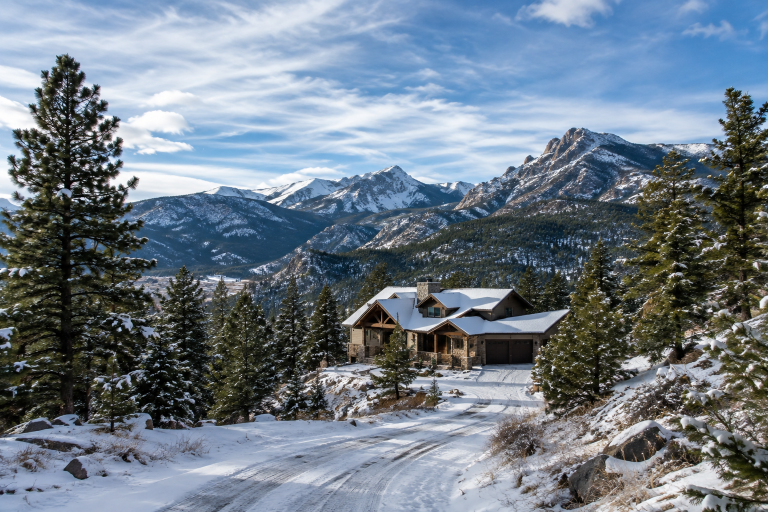
Drive the complete route to a property, not just the final few blocks. A road that feels easy on a clear afternoon may be far more demanding during snow, ice, heavy rain, or a utility outage. Ask whether roads are public, private, shared, gated, or maintained through an HOA or road agreement.
Road And Driveway Checks
- Who pays for plowing, grading, drainage work, culvert repairs, and fallen-tree removal?
- Are written road-maintenance agreements, fees, or special assessments in place?
- Can delivery vehicles, contractors, guests, and emergency responders reach the home?
- Is there adequate parking and space to store snow without blocking access?
- Would winter tires, all-wheel drive, or four-wheel drive be practical necessities?
Also, look carefully at driveway grade, turning space, retaining walls, drainage channels, and the condition of any bridge or shared crossing. These features can become significant maintenance responsibilities.
Check Water, Septic, And Utilities
Mountain properties may rely on systems that differ from those of a typical suburban home. Request available records early and arrange professional testing or inspections when appropriate. Ask whether the property uses municipal water, a private well, a shared well, a spring, or a cistern. Water-quality testing and information about pressure, freezing, and past supply issues are useful parts of due diligence. For septic, confirm the permitted bedroom count, the location of the tank and drain field, recent pumping history, available inspection records, and whether there is room for a replacement field if one is ever needed. Buyers should also identify the heating source, propane tank arrangement, electrical capacity, internet options, trash service, mail delivery, and backup power plan.
Plan Mountain-Specific Inspections
Choose a general inspector who understands mountain construction and add specialists based on the home’s features. Inspections are not only negotiation tools. They help establish a realistic maintenance plan and reveal where future investment may be needed.
- Roof condition, flashing, snow-related wear, and signs of ice-dam damage
- Foundation drainage, crawl spaces, retaining walls, erosion, and slope concerns
- Decks, stairs, railings, siding, windows, and exterior finishes
- Fireplaces, chimneys, wood stoves, furnaces, and fuel systems
- Well flow, water quality, septic condition, and drain-field performance
- Radon, wildlife entry points, tree hazards, and drainage around the structure
Review Insurance And Natural-Hazard Concerns
Request insurance quotes before you are fully committed. Availability, deductibles, exclusions, and premiums can be affected by location, roof condition, construction materials, wildfire exposure, and whether the home will be vacant or rented for part of the year. Review parcel-level information rather than relying on a listing description. The FEMA Flood Map Service Center allows buyers to look up official flood-hazard mapping for a specific address. At the same time, local drainage patterns and access routes still deserve on-site attention. Ask an insurer what coverage applies to wildfire, wind, hail, water damage, and replacement cost.
Confirm Zoning, HOA, And Rental Rules
Never assume a neighboring home’s use is allowed on the property you are considering. Zoning, permits, HOA rules, easements, and short-term rental requirements can differ by parcel. Review permits for additions, decks, finished basements, outbuildings, wells, and septic work. The Larimer County zoning map is a useful starting point for checking zoning districts, parcel configuration, road classifications, and mapped floodplains in unincorporated areas. Confirm final details directly with the appropriate planning office, HOA, or licensing authority before making decisions based on a map or listing.
Build A Complete Ownership Budget
The mortgage payment is only one part of mountain-home ownership. Include predictable costs and maintain a separate reserve for repairs that may require specialized labor or seasonal scheduling.
- Property taxes, homeowners’ insurance, heating fuel, electricity, internet, and trash service
- Snow removal, road fees, driveway repairs, drainage work, and tree care
- Well testing, septic pumping, propane service, and backup-power maintenance
- Roof, deck, siding, and exterior upkeep caused by weather exposure
- Home-watch or property-management services for a vacant second home
Final Due-Diligence Checklist
- Define whether the home will be a primary residence, second home, retirement property, or rental.
- Drive the full route and assess winter access, parking, and emergency entry.
- Verify water, septic, heat, power, internet, and trash details.
- Request insurance quotes before key contract deadlines.
- Review permits, zoning, HOA records, easements, and rental regulations.
- Schedule general and specialty inspections as needed.
- Budget for regular maintenance and unexpected repairs.
An Estes Park mountain home can offer privacy, recreation, and a strong connection to the landscape. The best purchase is one that works beyond the listing photos, with safe access, dependable systems, appropriate coverage, clear rules, and an ownership budget built for real mountain conditions.



Leave a Reply