
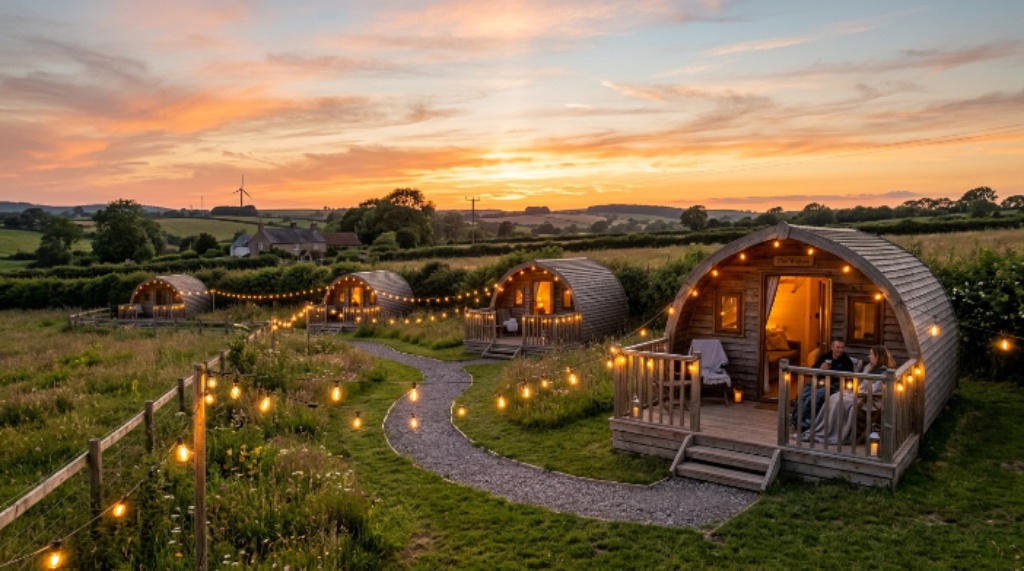
Something quietly remarkable is happening across rural Britain. Unused fields behind country pubs, forgotten paddocks on working farms, and overlooked corners of private estates are being transformed into thriving campsites and glamping retreats. UK landowners are waking up to an opportunity that was sitting right beneath their feet, and the numbers make compelling reading.
The camping boom in Britain is not a passing trend. It is a structural shift in how people choose to holiday, and it is creating real, sustained income for landowners who move quickly. This article explains how the opportunity works, what the earning potential looks like, and what steps landowners need to take to get started.
Why the Camping Boom Is More Than a Staycation Fad
The UK camping and glamping market has grown consistently over the past decade. As tracked in leisure sector analyses from the largest accounting firms 2026 data shows the UK glamping sector alone generated revenue of around 389 million US dollars in 2025 and is projected to reach 736 million dollars by 2033, growing at a compound annual rate of 8.2 percent. That level of sustained growth reflects something deeper than pandemic-era staycationing.
Consumer habits have changed. British holidaymakers increasingly seek outdoor experiences that combine nature with comfort. Glamping fills this gap perfectly. It offers the feeling of sleeping under the stars without sacrificing a proper bed, a hot shower, or a glass of wine by a fire pit. Additionally, cost-of-living pressures have pushed many families to reconsider expensive overseas holidays. A well-run UK glamping site now competes directly with short-haul destinations like Spain and Portugal.
However, supply has not kept pace with demand. That gap is exactly where opportunity lives for landowners across England, Scotland, and Wales.
Pub Gardens: An Underused Asset Sitting on Serious Potential
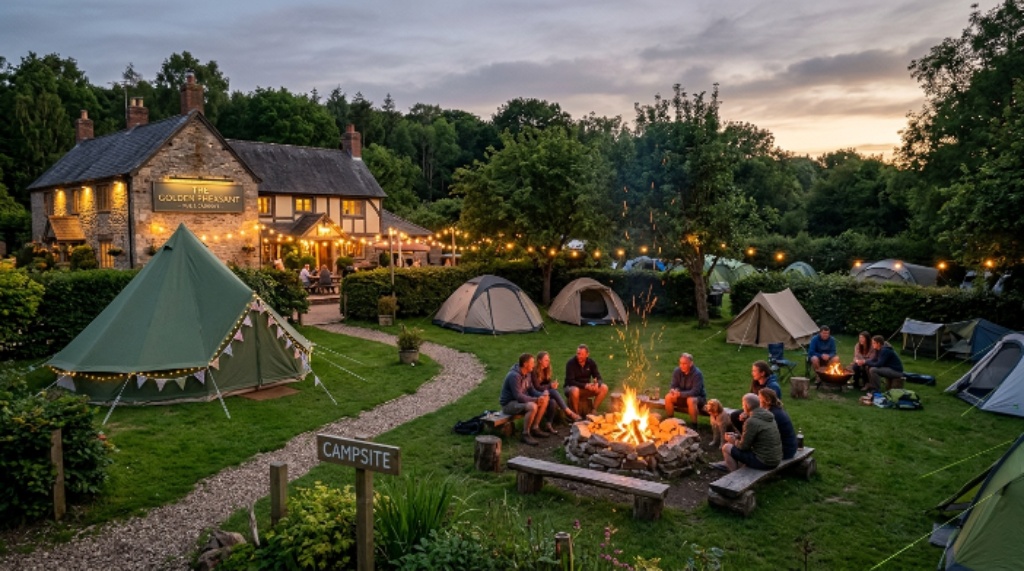
Rural pubs across Britain are facing enormous financial pressure. One pub a day was closing in 2025, according to industry figures, driven by rising costs and declining footfall. However, many of these same pubs sit on land that remains entirely unproductive. Beer gardens, back fields, and car parks that lie empty from Sunday evening to Friday lunchtime represent untapped commercial potential.
Booking platform Pitchup.com has been tracking this opportunity for years. Its figures show that farmers running campsites alongside their existing operations generate an average of £13,000 in additional income per year from pitch fees alone, with some making in excess of £150,000 annually. Bookings for farm-based caravan parks and campsites have risen 23 percent year on year, generating a total of £24 million in extra revenue for rural landowners.
For pubs specifically, the arithmetic is straightforward. Land that currently earns nothing can be turned into a seasonal income stream with relatively modest investment. The addition of a small campsite or a handful of glamping pods not only generates direct revenue but also drives food and drink sales inside the pub itself. Campers are captive customers who want breakfast, a pint, and somewhere to charge their phones.
What Landowners Can Realistically Earn
The income potential from converting land to camping or glamping use varies depending on scale, location, and accommodation type. However, the general benchmarks are encouraging.
| Site Type | Annual Revenue Range | Typical Net Profit |
| Basic campsite (5–10 pitches) | £13,000–£40,000 | £8,000–£20,000 |
| Small glamping site (3–6 pods) | £30,000–£90,000 | £10,000–£30,000 |
| Mid-size glamping site (7–15 units) | £90,000–£180,000 | £20,000–£45,000 |
| Premium or boutique retreat | £180,000–£250,000+ | £35,000–£60,000+ |
A single glamping cabin booked four nights per week at £150 per night generates around £28,800 per year on its own. Adding a hot tub, wellness features, or premium packages can lift average nightly rates by 15 to 30 percent. Therefore, even a modest investment in a handful of pods can produce a return within one to two years.
Location remains the single biggest driver of performance. Sites within easy reach of national parks, coastal areas, and popular market towns consistently outperform rural sites with limited nearby attractions. However, even more remote locations can succeed if they offer something distinctive, whether that is stargazing, total silence, or proximity to a well-run farm.
Understanding the Planning Rules: What You Can Do Without Permission
One of the most significant barriers landowners cite is planning permission. The rules are more flexible than many people realise, particularly following changes introduced in England in 2023.
Under Permitted Development Rights Class BC, landowners in England can operate a temporary recreational campsite for up to 60 days in any calendar year without needing to submit a full planning application. This is a major change from the previous 28-day limit and gives landowners a meaningful window to test the market before committing to permanent infrastructure.
It is important to understand what the 60-day rule does and does not cover. It allows temporary tent camping and, in some cases, movable glamping units. And it does not automatically permit permanent structures, fixed foundations, permanent utility connections, or access road improvements. Those require a planning application in the usual way.
Table:
| Route | Maximum Days | Planning Required | Best For |
| Permitted Development (Class BC) | 60 days per year | No | Test-season camping, pop-up glamping |
| Exemption Certificate (e.g. Camping Club) | Year-round, up to 5 units | No (if certified) | Small permanent glamping sites |
| Full Planning Permission | Year-round, unlimited | Yes | Large or permanent commercial sites |
| Caravan Site Licence | Year-round | Yes (usually) | Touring caravans and larger sites |
For landowners who want to run a small, permanent glamping operation year-round, the exemption certificate route offers a practical alternative to full planning permission. Organisations such as the Camping and Caravanning Club and the Caravan and Motorhome Club can certify sites to operate up to five pitches or units without a full planning application, provided the units are genuinely movable and meet specific size requirements.
Landowners in Scotland and Wales should note that rules differ. Wales is introducing a visitor accommodation registration scheme expected to open in autumn 2026 that will include glamping and camping categories. Therefore, checking with the relevant local planning authority before investing is always advisable.
Types of Accommodation: Choosing the Right Fit for Your Land
The type of accommodation a landowner chooses to offer has a significant impact on both the level of investment required and the income potential. Traditional camping pitches carry the lowest setup cost but also generate the lowest revenue per guest. Glamping accommodation sits at the other end of the spectrum.
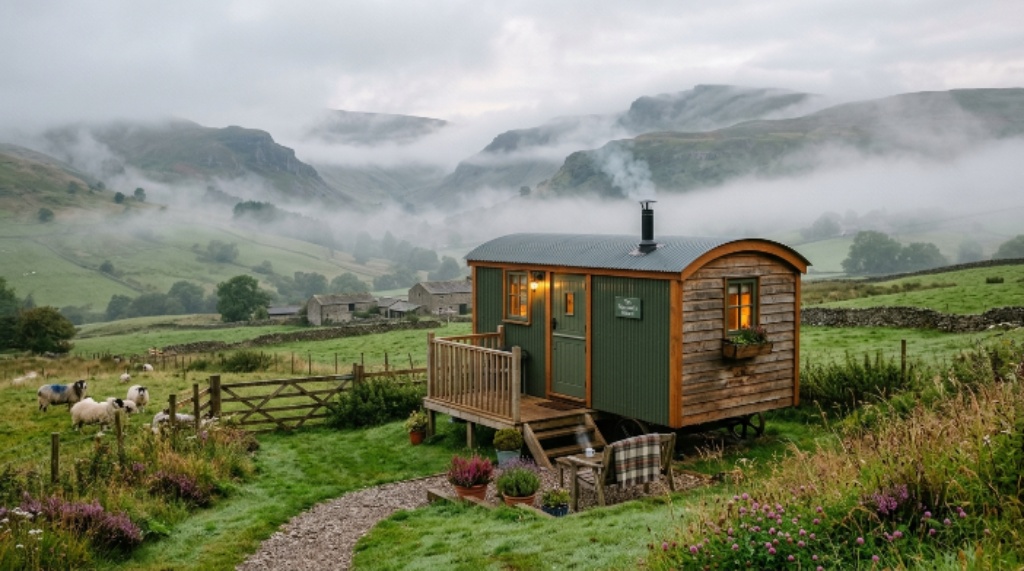
- Shepherd’s huts are among the most popular and aesthetically appealing options. They evoke a sense of romance and rural heritage that guests respond to strongly. They are movable, which helps with planning, and typically command nightly rates of £100 to £200.
- Glamping pods and cabins offer a durable, low-maintenance option that works well in wetter climates. Insulated pods can operate year-round, which significantly improves annual revenue. A good-quality pod costs between £20,000 and £30,000 to install.
- Yurts and bell tents are lower cost to set up and have strong aesthetic appeal, but they are seasonal and require more maintenance. They work well as a low-risk way to test demand before investing in permanent units.
- Treehouses and unique structures command the highest nightly rates of all, often reaching £300 to £500 per night in desirable locations, but they carry the highest build cost and almost always require full planning permission.
Additionally, wellness amenities such as outdoor hot tubs, wood-fired saunas, and fire pits have been shown to lift average daily rates by 15 to 30 percent and increase occupancy by 10 to 15 percent. For landowners adding these features from the start, the return on investment improves considerably.
The Role of Digital Marketing in Making a Site Succeed
The days of putting a few pitches on a booking platform and waiting for guests to arrive are over. The UK glamping market has matured, and competition has intensified. Operators who invest in digital marketing and social media consistently outperform those who do not.
Professional photography is one of the highest-return investments a new glamping operator can make. Strong images drive bookings on platforms like Pitchup, Canopy and Stars, and Airbnb. Simple aesthetic upgrades combined with good photography can add 10 to 15 percent in additional occupancy.
A presence on social media, particularly Instagram and TikTok, has become increasingly important. Guests who share their experience online generate organic marketing that no paid campaign can easily replicate. Therefore, creating spaces that are visually distinctive and worth photographing is now part of a serious business strategy, not just interior design.
Additionally, managing online reviews actively and responding promptly to guest feedback builds the kind of reputation that drives repeat bookings and word-of-mouth referrals.
Diversifying Revenue Beyond Pitch Fees
Smart landowners do not rely solely on accommodation bookings. The most successful sites generate income from multiple streams, which smooths out seasonal fluctuations and increases the overall return per guest.
- Food and drink partnerships with nearby pubs or on-site horsebox cafes
- Firewood, kindling, and campfire starter packs sold on arrival
- Adventure experience packages with local providers, such as kayaking, cycling, and foraging
- Events hosting for small weddings, birthday celebrations, and yoga retreats
- Seasonal hamper deliveries of local produce to each unit on arrival
Touring campers in the UK spend an average of £101 per day, with around £59 of that going to local businesses beyond the site itself. Therefore, building relationships with nearby food producers, activity providers, and hospitality businesses creates a network that benefits everyone while enhancing the guest experience.
Conclusion
The camping boom in Britain is creating a genuine and lasting income opportunity for UK landowners with underused land. From pub gardens and farm fields to rural estates and paddocks, thousands of acres across the country carry commercial potential that has barely been touched. The planning landscape has become more accessible, with the 60-day permitted development rule giving landowners room to test the market before committing to larger investments. Earnings range from a modest additional income of £13,000 a year for simple campsite operators to well over £150,000 for those running premium glamping sites with strong occupancy. The key ingredients are the right accommodation choice for the land, a commitment to digital marketing, and a willingness to diversify revenue beyond pitch fees. For landowners who move decisively, the grass really is greener on the glamping side.
Frequently Asked Questions
Do I need planning permission to start a campsite on my land in England?
Not necessarily for a short-term operation. Under Permitted Development Rights introduced in England in July 2023, landowners can run a temporary recreational campsite for up to 60 days per year without a full planning application. However, permanent structures, fixed utilities, and larger commercial operations will require planning permission. Always check with your local planning authority before starting.
How much can a landowner earn from a glamping site in the UK?
Earnings vary significantly based on scale, location, and accommodation type. A basic campsite with five to ten pitches typically generates between £13,000 and £40,000 per year. A small glamping site with three to six pods can earn between £30,000 and £90,000 annually. Premium boutique retreats in desirable locations can exceed £250,000 per year in revenue.
What is the best type of glamping accommodation to start with?
For most landowners starting out, glamping pods or shepherd’s huts offer the best balance of investment cost, planning flexibility, and income potential. They are movable, durable, and work in the UK climate year-round. Pods typically cost between £20,000 and £30,000 each and can generate a full return on investment within one to two years at good occupancy rates.
Can a pub add a campsite to its garden without planning permission?
Under the 60-day permitted development rule in England, a pub with suitable outdoor land could operate a temporary campsite during the summer season without a full planning application, provided no permanent structures or fixed utilities are installed. For anything more permanent or year-round, a planning application is required. Pub owners should also check their premises licence conditions and speak to their local authority.
How do I market a new glamping site effectively?
Start with professional photography and list your site on major booking platforms such as Pitchup, Canopy and Stars, and Airbnb. Build a social media presence on Instagram and focus on making your accommodation visually distinctive. Respond to every guest review. Partner with local businesses to create experience packages. Word of mouth from happy guests remains one of the most powerful marketing tools for small glamping operators.



Leave a Reply