
Key Takeaways
- Safety comes before photos, insurance calls, or discussions about fault.
- Some injuries can take hours or days to become noticeable.
- Photos, witness information, medical records, and repair documents can preserve key facts.
- Keep conversations at the scene brief, polite, and factual.
- Insurance reporting requirements and deadlines differ by policy and state.
- A child’s car seat may need replacement after a moderate or severe crash.
- Seek urgent medical care for severe, new, or worsening symptoms.
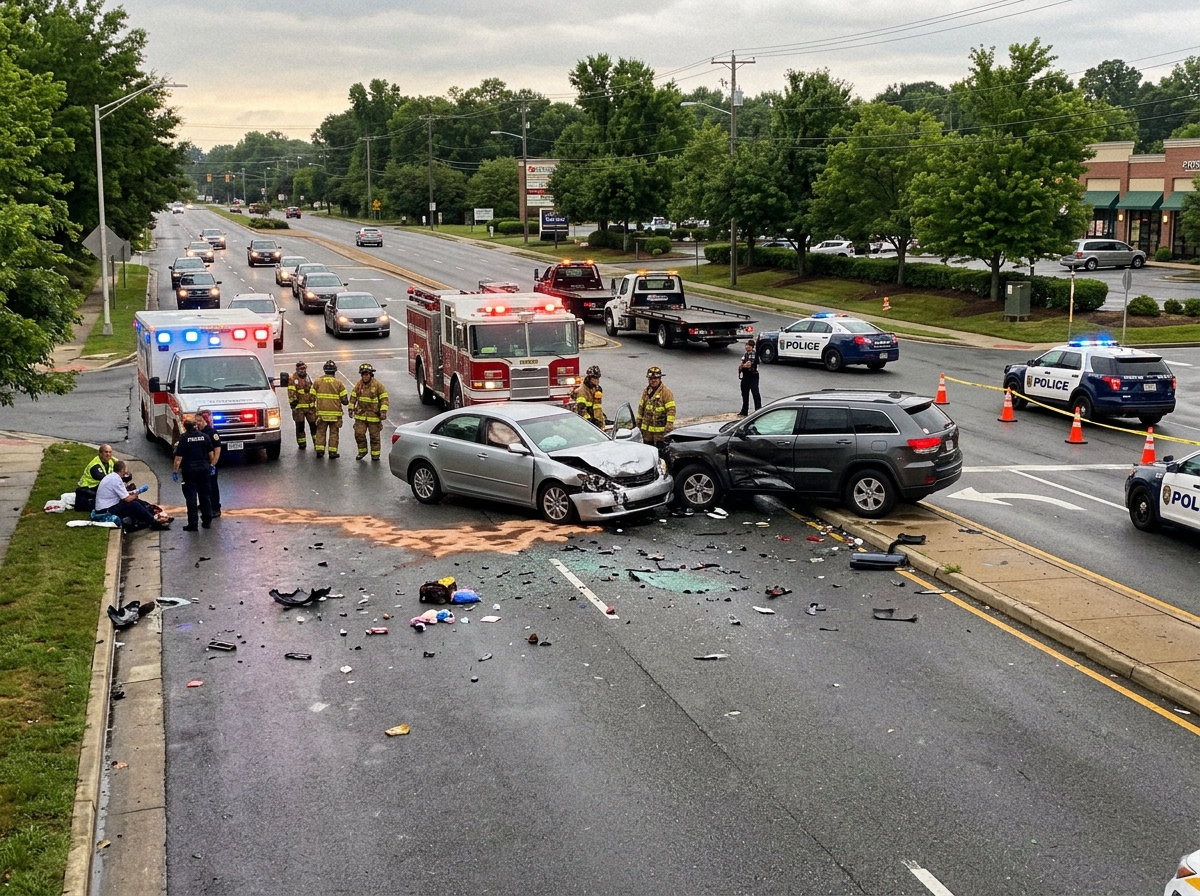
A car crash can turn an ordinary day into a confusing rush of decisions. In the first 24 hours, the goal is not to solve every problem at once. It is to protect people, preserve important information, and take practical next steps. If injuries, disputed facts, or insurance pressure complicate the situation, this website offers additional information about car accident claims and related concerns. Every collision is different, and reporting requirements, insurance rules, and legal deadlines can vary by state. Still, a calm checklist can help drivers, passengers, and families avoid overlooking essential details while they focus on safety and recovery.
The First Few Minutes: Get To Safety
Take a breath, check yourself and others for immediate danger, and call for help when needed. Turn on hazard lights if the vehicle can safely remain where it is. If the vehicle is creating a serious roadway hazard and can be moved safely, move it out of traffic. Otherwise, stay alert for passing vehicles and avoid standing between cars or walking through active lanes. Look for smoke, fire, leaking fluids, broken glass, or downed power lines. A second collision can be more dangerous than the first, so do not take photos or exchange information until everyone is in a safer location. Do not move an injured person unless there is an immediate threat, such as fire or oncoming traffic.
When To Call 911 And Request Medical Help
Call 911 when anyone has serious pain, bleeding, trouble breathing, confusion, loss of consciousness, possible neck or back injuries, or when the scene is unsafe. Give the dispatcher the exact location, describe visible injuries and hazards, and follow instructions until responders arrive. Requesting police assistance may also create an official record when there are injuries, major damage, disagreement about what happened, or a possible traffic violation.
Head injuries deserve particular attention. Concussion symptoms may appear hours or days later, so monitor headaches, repeated vomiting, unusual behavior, worsening confusion, weakness, or difficulty waking someone. Severe or worsening symptoms require emergency care.
How To Document The Crash Scene
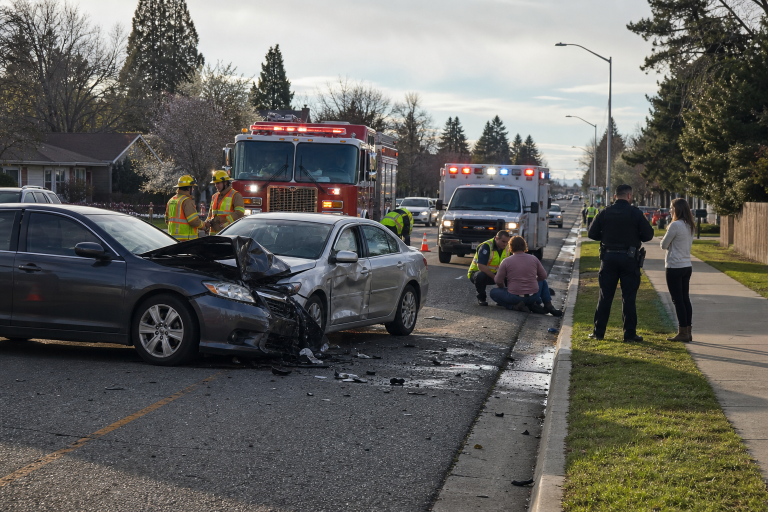
Once it is safe, gather details before the scene changes. Photograph each vehicle from several angles, including license plates, points of impact, deployed airbags, debris, skid marks, traffic signs, lane markings, and traffic signals. Note the weather, lighting, road surface, traffic flow, and time of day. Ask witnesses for their names and contact details, but do not pressure anyone to give an opinion. Save dashcam footage before it is overwritten, and write a brief timeline while the details are fresh. Record only what you observed, including where each vehicle was traveling and what happened immediately before impact.
What Information To Exchange
Exchange the basic information required for an insurance claim or police report. Keep the conversation respectful and focused on identification rather than blame.
- Full name, phone number, and driver’s license information when required.
- Insurance company, policy information, and vehicle registration details.
- Vehicle make, model, color, and license plate number.
- Names of passengers, witnesses, and responding officers.
- The police report number or incident number, if available.
Avoid arguing, apologizing in a way that could be misunderstood, or guessing about fault. A simple statement such as, “I am glad help is on the way,” keeps the interaction calm without making assumptions about the cause.
Why Medical Care Should Not Wait
Adrenaline can mask pain after an impact. A person may feel fine at the scene but later that evening develop neck stiffness, headache, back pain, dizziness, nausea, numbness, or fatigue. Contact a healthcare professional when symptoms arise, follow medical advice, attend recommended follow-up visits, and keep a daily record of symptoms and limitations.
Symptoms To Watch For
- Headache, blurred vision, dizziness, or nausea.
- Neck, shoulder, chest, or back pain.
- Numbness, weakness, tingling, or balance problems.
- Confusion, memory concerns, sleep changes, or unusual fatigue.
What To Do About Insurance Calls
Notify your own insurer as your policy requires, but remember that reporting a crash is different from agreeing with an insurer’s interpretation of it. Be truthful, stick to facts you know, and avoid estimating future medical needs or repair costs. Ask for the claim number and adjuster’s contact information, then keep copies of emails, letters, estimates, bills, and receipts. Read every document before signing it. If an adjuster requests a recorded statement or offers a fast settlement, ask questions and take time to understand what is being requested. Coverage rules, fault rules, and deadlines are not the same in every state.
Common Mistakes To Avoid
- Leaving before exchanging required information or speaking with the police.
- Posting crash photos, opinions, or arguments on social media.
- Deleting dashcam video, messages, call logs, or photos.
- Discarding damaged personal items before they are documented.
- Skipping medical care because vehicle damage appears minor.
- Accepting fault or a quick payment before the full situation is clear.
What To Do Before The First Day Ends
Before the day ends, organize everything in one digital folder or paper file. Confirm that everyone who needs care has received it, save scene photos and contact details, report the crash as required, and arrange safe transportation if the vehicle cannot be driven. Track missed work, medication, towing, storage, rental, and repair expenses. If a child is riding in the vehicle, review whether the restraint system remains appropriate. Car seats involved in moderate or severe crashes should be replaced, while a minor crash may not require replacement if specific safety conditions are met.
Common Questions After A Car Crash
Should A Driver Call The Police After A Minor Crash?
It depends on state law, property damage, injuries, and the circumstances. Police involvement can be especially useful when drivers disagree about what occurred.
What If No Pain Appears Right Away?
Continue monitoring for symptoms. Delayed pain does not automatically mean a serious injury, but it is worth documenting and discussing with a healthcare professional.
What If The Other Driver Has No Insurance?
Review your policy for uninsured or underinsured motorist coverage. Policy language and available benefits vary, so keep all claim-related paperwork.
Conclusion
The first day after a car crash can feel chaotic, but having a clear plan can make the situation easier to manage. Focus first on getting to a safe location, contacting emergency services when necessary, and obtaining medical attention for any injuries or concerning symptoms. Once immediate safety needs are addressed, preserve photographs, witness information, vehicle records, medical documents, and other evidence that may help explain what happened. Communicate with insurance companies carefully, stick to accurate facts, and avoid guessing about fault or future medical needs. Keep copies of reports, bills, receipts, and correspondence in one organized place. If the collision involves serious injuries, disputed responsibility, multiple vehicles, or complicated insurance issues, timely guidance from a qualified local professional may help you understand your options and protect important deadlines.




Leave a Reply