
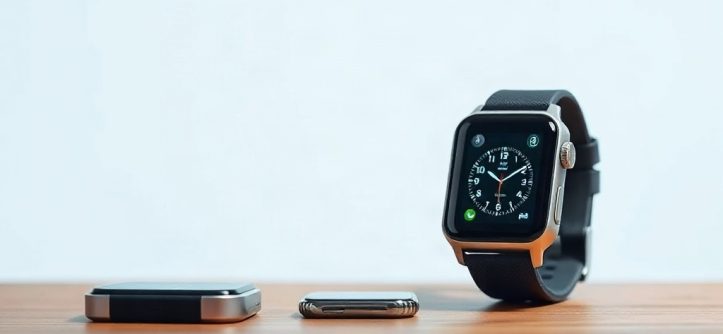
Wearable tech explained in one line: it is electronics you wear on your body to track, measure, or assist something in daily life. Someone searching for a simple answer often wants to know what a smartwatch or fitness band actually does beyond counting steps. That question matters more now that watches, rings, and glasses all claim to improve your health. To follow the category without the marketing noise, a smart devices news site can help you keep pace with what launches next.
Quick answer: Wearable tech covers any body-worn device with sensors and a connection to an app or phone. Most people only need three features: accurate basic tracking, a readable app, and a battery that lasts through a normal day. Buy for the habit you already have, not the one you hope to build.
What is wearable tech explained?
The category is simpler than the marketing suggests. A wearable is a small computer worn on the body. It reads something about you or your surroundings, then sends that data to an app. The wrist is the most common location, but rings, glasses, and chest straps all count.
Four features define almost every device in the category:
- Sensors measure movement, heart rate, temperature, or position.
- A processor turns raw readings into numbers you can read.
- A radio, usually Bluetooth, sends data to a phone or the cloud.
- A power source, normally a small rechargeable battery, keeps it running.
The main types fall into a few clear groups. Smartwatches handle notifications and apps alongside fitness tracking. Fitness bands focus on movement and sleep at a lower price. Smart rings trade a screen for a longer battery and a smaller profile. Chest straps measure heart rate with more precision than a wrist sensor. Smart glasses add cameras or audio to everyday frames.
Example: A step counter and a chest strap both track activity. The band guesses your heart rate from your wrist. The strap reads the heart’s electrical signal directly, so it holds up better during hard exercise. Same goal, different accuracy.
Look past the sensor list and at the purpose. A device built for sleep tracking uses different sensors and a different battery strategy than one built for running. Match the tool to the task, and the category stops feeling confusing.
The app and the data it shows often decide whether you keep wearing the device after the first month. A basic sensor with a clear app usually beats a fancy sensor with a confusing one.
Takeaway: wearable tech is body-worn sensing plus software, and the type you pick should follow the job you want it to do.
Why wearable tech explained matters
Understanding the category protects your money and your attention. Wearables range from roughly the price of a decent pair of shoes to the price of a laptop. The gap between models is rarely about sensors. It is about screen quality, battery life, app design, and subscription fees.
Cost is the real differentiator. Two watches can track the same metrics and differ by hundreds of dollars. The extra money often buys a brighter display, better materials, or a deeper health app. Decide which of those you will actually use before you pay for them.
Health data raises the stakes. A wrist sensor reading heart rate during exercise is useful. The same reading during rest is noisy and easy to misread. Treat wearable numbers as trends, not diagnoses, and bring anything worrying to a clinician rather than an app.
The category also changes fast, which makes news coverage useful. New sensor types, longer batteries, and revised privacy policies arrive every year. Following a YourBigBusiness overview of the wider tech market helps you judge whether a launch is worth your attention or just a louder version of last year’s model.
Privacy deserves a mention here. A wrist device can log sleep, movement, and heart rhythm around the clock. That data is personal, and where it goes depends on the company’s policy. Read the privacy terms before you trust a device with months of health history.
Takeaway: knowing the category helps you spend wisely, read your own data with healthy skepticism, and keep control of personal information.
Best practices
Start with a clear goal. Write down the one thing you want the device to do, such as tracking sleep, logging runs, or seeing phone alerts without reaching for your phone. Then buy for that goal only. A single clear purpose keeps you from paying for features you will ignore.
Wear it consistently. Most tracking depends on a baseline, and a device worn three days a week gives patchy data. Charge it at the same time each day, often during a morning shower, so it stays on your wrist the rest of the time.
Check battery claims against your habits. A watch that lasts five days on paper may last two once you enable the screen, GPS, and notifications. Look for real-world figures in reviews rather than the marketing estimate.
Review the data weekly. Spend ten minutes a week looking at your trends instead of checking the app constantly. Trends reveal more than any single reading. A rising resting heart rate over two weeks says more than one odd night of sleep.
Set up notifications deliberately. Turn on the ones that matter, like calls from family, and switch off the rest. A watch that buzzes every few minutes becomes a distraction you take off within a month.
Many wearable apps work in a limited mode before you pair a device. Exploring the app early shows you how the data is presented and whether the interface suits you.
Takeaway: pick one goal, wear the device consistently, and let weekly trends guide you instead of daily numbers.
Common mistakes to avoid
The most expensive mistake is buying for a future self. People purchase a running watch before they have a running habit, or a sleep tracker before they have a bedtime. The device rarely creates the habit. It documents one you already have.
Ignoring the subscription is another common trap. Some wearables pair with a paid service for deeper analysis or extra features. Check the monthly or yearly fee before you buy, because a device with a subscription can cost more over two years than a pricier one without.
Wearing it too tight or too loose spoils the readings. A wrist sensor needs steady contact, but a tight band restricts blood flow and skews results. Adjust the strap so it sits snugly without leaving a mark.
Relying on one metric is misleading. Steps alone ignore intensity. Heart rate alone ignores context. Look at two or three signals together, and remember that wrist sensors struggle during high-intensity exercise.
Skipping the privacy settings is a quiet error. Default settings often share more data than necessary. Spend five minutes limiting what leaves the device.
A wearable can flag an irregular reading, but it cannot diagnose a condition. Treat alerts as a prompt to seek professional advice, not as a medical answer.
Takeaway: avoid buying for an imagined future, check for fees, fit the band properly, and review privacy settings before you start logging.
FAQ
How much should I expect to spend on wearable tech?
Entry-level fitness bands sit at the low end, while smartwatches and smart rings climb much higher. Set a budget based on the one feature you need, then compare within that range. Add any subscription cost to the real price before deciding.
Are wearables accurate enough for health tracking?
They are good at spotting trends and rough patterns. Wrist sensors are less precise during intense activity or for some body types. For clinical questions, use a device your doctor recommends rather than a consumer gadget.
Do I need a smartphone to use a wearable?
Most devices pair with a phone app for setup and review. A few premium watches work independently with their own connection. Check the pairing requirements before buying, especially if you switch phones often.
How long does a wearable battery really last?
It varies widely. Bands can run a week or more, while full smartwatches often need daily charging. Screen use, GPS, and notifications drain the battery fastest. Expect the real figure to land below the advertised maximum.
Is it worth upgrading every year?
Rarely. Meaningful changes usually arrive every two or three years. Upgrade when your current device stops meeting your goal or the battery fades, not because a newer model appeared.
Conclusion
Wearable tech explained comes down to a simple idea: it is body-worn sensing plus the software that makes the numbers useful. The category splits into watches, bands, rings, straps, and glasses, and each suits a different job. Spend on the habit you already have, wear the device consistently, and read trends rather than single readings. Check fees and privacy settings before you commit, and treat health alerts as prompts for professional advice. Your next step is simple: write down your one goal, then compare three devices against it. That short list will save you more money than any launch event.




Leave a Reply