
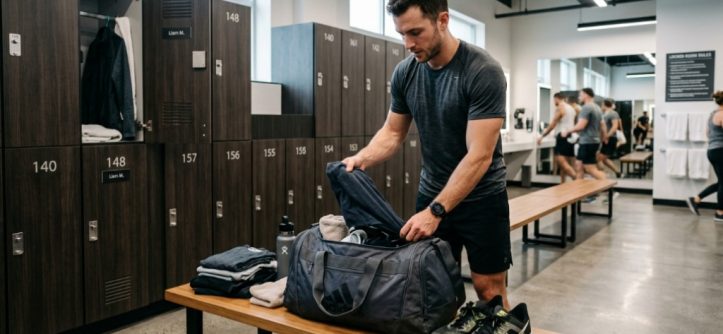
You are standing in the locker room, staring at a narrow gym locker that refuses to accommodate your wide, top-loading duffel. Or maybe you are cycling to the gym, and a single-shoulder strap is digging into your neck with every pedal stroke. The choice between a gym duffel and a gym backpack often comes down to these specific moments of friction. While many articles simply list features, this comparison focuses on how you actually move through your day. For those specifically considering a classic athletic silhouette, you might View the full review of a popular option to see how traditional designs handle modern storage needs. Here is how to decide which bag geometry fits your routine.
Quick Answer
Choose a gym duffel if you drive to the gym, carry bulky gear like lifting belts or boxing gloves, and prefer a wide opening that lets you see everything at once. Choose a gym backpack if you walk, cycle, or use public transit, need to carry a laptop for work, or want balanced weight distribution. Duffels maximize volume and access; backpacks maximize mobility and organization, Looking for eco-friendly gear options for your fitness journey? Check out the First bulk bags made from 100% recycled materials rolled out to see how sustainable manufacturing is changing athletic accessories.
Key Takeaways
- Mobility wins: Backpacks distribute weight across both shoulders, making them superior for commuting, cycling, or long walks, while duffels are best for short distances from a car to the locker room.
- Access matters: Duffels typically offer a single large compartment that is easy to pack but hard to organize, whereas backpacks offer dedicated pockets for shoes, laptops, and water bottles.
- Locker compatibility: Most gym lockers are tall and narrow, fitting backpacks better than wide duffels, though soft-sided duffels can often be squashed into tight spaces.
- Gear volume: If you carry specialized equipment like a helmet, heavy lifting belt, or extensive toiletries, a duffel’s unstructured space usually accommodates odd shapes better than a compartmentalized backpack.
The Core Difference: Access vs. Organization
The fundamental trade-off between these two bag styles is how you interact with your gear.
A gym duffel is essentially a portable bucket. When you unzip it, the entire contents are visible and accessible. This is excellent for speed—you can toss in your shoes, towel, and clothes without a second thought. However, this lack of structure often leads to a “black hole” effect where smaller items like keys, headphones, or gym passes sink to the bottom.
A gym backpack is a filing cabinet. It forces you to organize your gear into specific compartments. While this takes slightly more effort when packing, it saves time when you are tired after a workout. You know exactly which pocket holds your keys and which one holds your shaker bottle. If you struggle to find your lock in a cluttered bag, a backpack solves that problem immediately.
Transportation and Commute Scenarios
How you get to the gym is often the single most important factor in this decision.
Driving to the Gym
If you drive, a duffel is usually the more convenient choice. It sits flat in the trunk or on the passenger seat, and you can carry it with one hand while holding a coffee or phone in the other. The wide mouth of a duffel makes it easy to pack and unpack in the trunk of a car without having to balance it on your knee.
Walking, Cycling, or Public Transit
If you are on foot or a bike, a backpack is non-negotiable for comfort. Carrying a heavy duffel on one shoulder for a mile-long walk will cause you to lean to one side, straining your neck and lower back. A backpack keeps the weight centered. Furthermore, a backpack leaves your hands free to hold a bus rail, unlock a door, or carry a water bottle. If you cycle, a backpack stays snug against your back, whereas a duffel tends to swing and shift, which can affect your balance.
Locker Room Logistics: Size and Shape
Gym lockers are notoriously unforgiving. They are often tall, narrow, and made of metal that lacks flexibility.
Standard gym lockers typically range from 12 to 15 inches in width. Many traditional duffel bags are 20 to 24 inches long. Unless the duffel is soft-sided and half-empty, it will not fit inside a standard locker. Instead, you end up hanging it on a hook outside the locker, which is less secure and often crowded.
Backpacks, by design, are taller and narrower. They slide into lockers with ease, allowing you to zip them up and lock them inside. If you value the security of knowing your bag is fully enclosed in a locker rather than hanging on a hook, the backpack has a distinct advantage here.
Capacity and Gear Types
When comparing capacity, it is not just about liters; it is about the shape of the gear.
Duffels are superior for:
- Bulky items: Boxing gloves, MMA shin guards, or a foam roller.
- Rigid items: A lifting belt or a helmet.
- Shoes: Large basketball or running shoes fit easily without crushing other items.
Backpacks are superior for:
- Tech: A 15-inch laptop, tablet, or headphones.
- Hydration: Dedicated side pockets for water bottles prevent leaks from soaking your clothes.
- Small valuables: A dedicated fleece-lined pocket for sunglasses or a phone.
If your routine involves going straight from the gym to the office, a backpack is the practical winner. It allows you to carry a laptop and dress shoes alongside your gym clothes without them mixing. A duffel requires you to carry a separate work bag or risk crushing your electronics under a water bottle.
Durability and Material Considerations
Both bag types come in a range of materials, but the wear patterns differ.
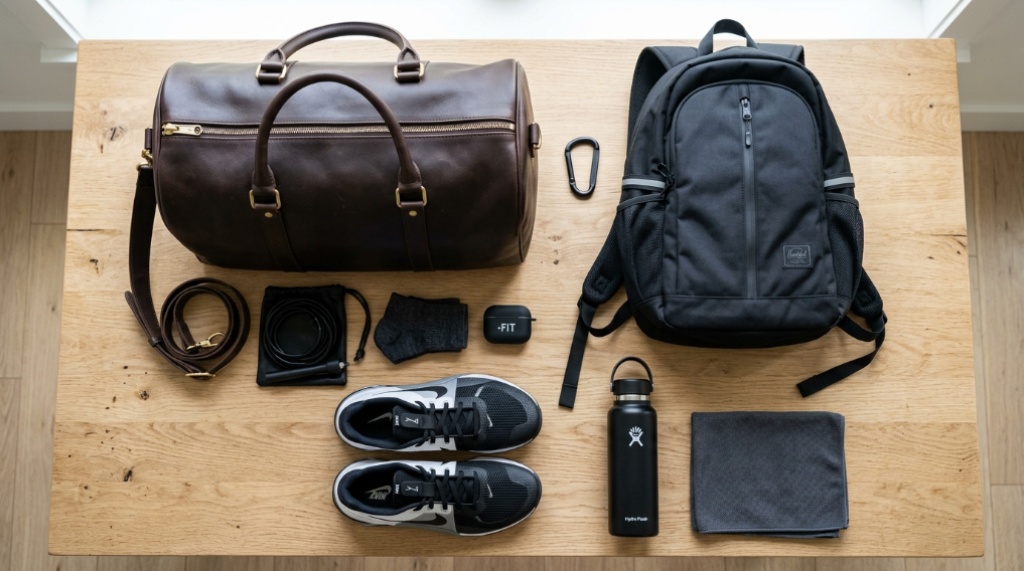
Duffels often feature a flat bottom that rests on the ground. This area is prone to abrasion and dirt. Look for reinforced bottoms or materials like ballistic nylon or coated polyester. Because duffels are often dragged or set down heavily, the handles and zippers take a lot of stress.
Backpacks are subject to strap wear. The shoulder straps and the back panel are the first points of failure. If you carry heavy loads, you need wide, padded straps and a breathable back panel to prevent sweat from soaking through your shirt. A cheap backpack with thin straps will become uncomfortable quickly, whereas a cheap duffel is often just as functional as an expensive one, provided the zippers hold up.
Comparison Table: At a Glance
| Feature | Gym Duffel | Gym Backpack |
|---|---|---|
| Best For | Drivers, heavy gear, quick access | Commuters, organization, tech carry |
| Weight Distribution | One-sided (shoulder or hand) | Balanced (both shoulders) |
| Organization | Minimal (often one main compartment) | High (multiple pockets and sleeves) |
| Locker Fit | Poor (usually hangs on hook) | Good (slides into narrow lockers) |
| Hands-Free | No | Yes |
| Ventilation | Often limited | Usually includes a vented shoe pocket |
Hybrid Options: The Duffel Backpack
You are not strictly limited to one or the other. The “duffel backpack” or “convertible duffel” is a popular hybrid category. These bags feature backpack straps that can be tucked away into a pocket, allowing you to carry it like a duffel when you are in the gym and convert it to a backpack for the walk home.
However, these hybrids come with compromises. The backpack straps are often thinner and less supportive than those on a dedicated backpack. Additionally, the bag is still shaped like a duffel, so it rarely fits into narrow gym lockers. They are a solid choice for travelers who need one bag for both the plane and the treadmill, but for a dedicated gym routine, a specialized bag usually serves better.
Frequently Asked Questions
Can I use a regular school backpack as a gym bag?
You can, but it is not ideal. School backpacks lack ventilation, so sweaty clothes and shoes will trap moisture and odor, potentially ruining the bag and your books. They also lack the volume to hold bulky items like lifting shoes or a change of clothes for work.
Is a 40L duffel too big for the gym?
A 40L duffel is on the larger side for a daily gym session. It is suitable if you carry a lot of equipment (like a helmet or multiple pairs of shoes) or if you shower and change into a full work outfit. For a simple workout with a towel and a change of shirt, a 20–30L bag is usually sufficient.
How do I stop my gym bag from smelling?
Ventilation is key. Look for a bag with a separate vented shoe compartment or mesh panels. Never put damp clothes or towels into a sealed pocket. If your bag gets damp, empty it completely and leave it open to dry in a well-ventilated area before storing it.
Which bag is better for carrying a laptop to the gym?
A backpack is significantly better. Dedicated gym backpacks usually include a padded laptop sleeve that keeps the computer elevated and secure. In a duffel, a laptop slides around and risks being crushed by water bottles or weights.
Do I need a separate shoe compartment?
It is highly recommended. Shoes carry dirt, bacteria, and moisture. A separate compartment (often vented) prevents your shoes from touching your clean clothes or towel. If your chosen bag lacks this, consider carrying shoes in a separate drawstring bag inside your duffel.
Conclusion
Your gym bag should reduce friction, not create it. If you drive to the gym and prioritize easy access to bulky gear, a duffel is the straightforward, reliable choice. If you walk, cycle, or head to work afterward, a backpack will save your shoulders and keep your electronics safe. Consider where your bag will go when you are not carrying it—if it needs to fit inside a locker, the backpack wins. Choose the bag that matches your transportation method first, and the rest of the features will fall into place.




Leave a Reply