
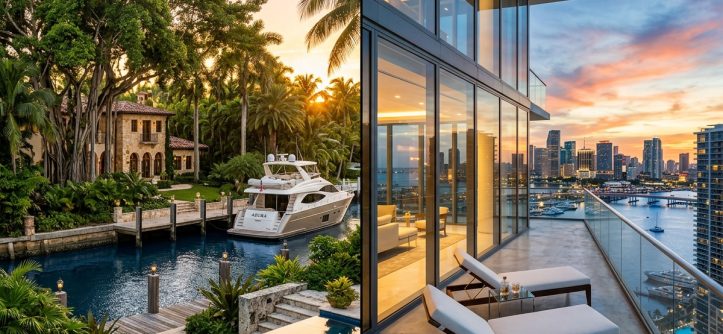
Key Takeaways
- Compare neighborhoods by daily lifestyle, not listing price alone.
- Include taxes, insurance, association fees, maintenance, and possible assessments in the ownership budget.
- Match the location to the property type, whether that means a condo, single-family home, or new development.
- Review flood exposure, building records, access routes, and nearby activity before becoming attached to a property.
- Visit each area more than once, then use a written scorecard to make the comparison more objective.
Buying a luxury property in Miami, Florida, is as much a neighborhood decision as it is a home decision. A waterfront estate, a Miami Beach condominium, and a secluded Pinecrest residence can carry similar price tags while delivering entirely different routines, responsibilities, and long-term costs. For buyers who want a local perspective while comparing these choices, Miami Beach real estate experts Boschetti Realty Group offer property search, valuation, and neighborhood guidance across Miami Beach, Coconut Grove, Coral Gables, Pinecrest, South Miami, and nearby South Florida communities. Boschetti Realty Group is a luxury-focused local real estate team whose familiarity with waterfront homes, condominiums, new developments, and established residential areas can help put individual listings into a useful market context.
The best place to buy is not necessarily the neighborhood with the most impressive listing photos or the lowest price per square foot. It is the area that supports how you plan to live, travel, entertain, work, and maintain the property over time.
1. Start With Your Main Goals
Before comparing streets, views, or finishes, define the job the property needs to do. A full-time household may prioritize outdoor space, practical school and work routes, medical services, and a layout that works every day. A second-home buyer may prefer lock-and-leave convenience, building security, and proximity to dining or the airport. An investor may need to focus on rental restrictions, operating costs, and the local buyer pool.
Questions to answer first
- Will this be a primary residence, seasonal home, or investment?
- How often will the home be occupied?
- Is privacy more important than walkability?
- Do you need a garage, boat access, elevator, staffed entry, or room for guests?
- How much maintenance are you prepared to manage or outsource?
2. Compare Lifestyle Before Features
Miami-area communities have different rhythms. Miami Beach can suit buyers who value beach access, restaurants, cultural activity, and condominium living. Coconut Grove offers a more village-like setting with marinas, mature trees, and a mix of houses and condos. Coral Gables is known for established residential streets and a strong civic character, while Pinecrest and South Miami can appeal to buyers seeking more land, privacy, and a quieter residential setting.
Think in terms of ordinary Tuesday mornings, not only Saturday showings. Waterfront living may offer views, breezes, and boating access, but it also calls for careful review of exposure, building systems, and insurance. Urban living can make restaurants, offices, and services more convenient. Lower-density neighborhoods may provide larger yards and more separation from neighbors, although errands and commuting may require more driving.
3. Match the Area to the Property Type
The home style should support the ownership experience you want. Luxury condos can offer staffed entrances, amenities, and reduced responsibility for exterior upkeep. In return, buyers should understand association governance, monthly charges, rules, and the building’s capital needs. Single-family homes provide greater control over the structure, landscaping, pool, dock, and outdoor areas, but those responsibilities remain with the owner.
Photorealistic wide establishing shot of Miami’s luxury residential landscape, showing a waterfront estate, a modern Miami Beach condominium tower, and leafy suburban homes in the broader South Florida setting under bright tropical daylight.
- Luxury condo: Review association fees, reserves, insurance responsibilities, assessments, rental rules, parking, and renovation policies.
- Single-family home: Review roof age, drainage, windows, mechanical systems, landscaping, pool equipment, seawall or dock condition when applicable, and ongoing service costs.
- New development: Review the contract, projected completion schedule, deposit structure, estimated fees, warranty terms, and the possibility of nearby construction after delivery.
4. Review Flood Risk and Insurance
Flood exposure deserves attention before an offer is written, especially near the coast, bays, canals, and low-lying areas. Buyers can use Miami-Dade County’s flood-zone map resources as an early address-level research step, then discuss the property’s circumstances with qualified insurance and inspection professionals.
Ask for current insurance information when available, past water-intrusion details, elevation documentation if available, drainage improvements, and disclosures provided by the seller. Insurance pricing and availability can vary by property characteristics, coverage choices, and insurer requirements, so avoid relying on a neighbor’s premium as a substitute for an individualized quote.
5. Check Condo Records and Building Costs
With a condo purchase, the unit is only part of the asset. The association’s budget, maintenance history, insurance, reserves, rules, and planned projects may affect both ownership costs and financing. Request the documents early enough to review them carefully, rather than treating them as a last-minute formality.
Focus on recent budgets and financial statements, meeting minutes, reserve information, engineering or inspection reports when applicable, current or proposed assessments, and restrictions involving rentals, pets, renovations, and occupancy. The Florida condominium information and resource FAQs also outline topics involving association records, inspections, reserves, and buyer access to documents.
6. Test Daily Life in the Area
A single showing rarely reveals traffic patterns, noise, parking pressure, construction activity, or the way sunlight reaches a home at different times. Visit during the morning commute, after work, and after dark. Drive the routes you would use for work, school, airports, marinas, grocery shopping, and dining.
Walk the immediate blocks when possible. Notice road access, sidewalk conditions, nearby commercial activity, active construction sites, and how long it takes to enter or leave the neighborhood. If appropriate, speak with residents about what they enjoy and what they would change.
7. Consider Resale and Long-Term Value
Resale appeal is influenced by more than interior finishes. Location quality, usable layout, lot characteristics, building reputation, condition, access, views, and the number of competing homes can all shape future demand. Review comparable sales with care, but also examine active listings that may become your future competition.
A lower purchase price can be less attractive if it comes with extensive renovation, high insurance expense, deferred maintenance, or unusual restrictions. Conversely, a premium property should still be evaluated on practical fundamentals, not simply on designer finishes or a dramatic first impression.
8. Build a Neighborhood Scorecard
When several areas remain in contention, rate each one from one to five and keep notes beside every score. Useful categories include:
- Commute and access to frequent destinations
- Privacy, noise, and street activity
- Walkability and nearby services
- Property condition and required maintenance
- Flood exposure and insurance considerations
- Taxes, association fees, and recurring costs
- Resale appeal and competing inventory
- Overall fit with your household routine
9. Final Checklist Before an Offer
- The neighborhood fits your real daily routine.
- The property type matches your maintenance preferences.
- Flood exposure and insurance have been investigated.
- Taxes, fees, and potential assessments are understood.
- Relevant property and condo records have been requested.
- You have visited at different times of day.
- Comparable sales and active competition have been reviewed.
- Your offer includes appropriate inspection and document-review protections.
The right Miami luxury home is not automatically the biggest, newest, or lowest-priced option. It is the property that aligns with your budget, risk tolerance, lifestyle, and plans for the years ahead.




Leave a Reply