Advanced Techniques for Utilizing Arduino Starter Kits
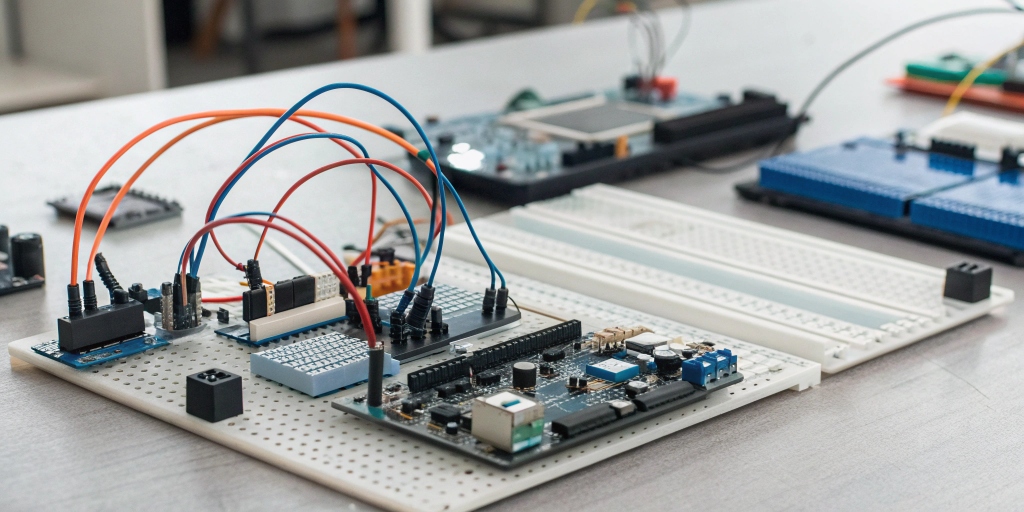
The Arduino platform has become a cornerstone for electronics enthusiasts and professionals alike. Its popularity can be attributed to its open-source nature, extensive community support, and versatile capabilities. For those new to Arduino, the Arduino Starter Kit amazon offers an excellent entry point. However, there comes a time when users wish to delve deeper into the capabilities of their starter kits. This article explores advanced techniques to maximize the potential of your Arduino Starter Kit.
1. Mastering Sensor Integration
One of the most powerful aspects of Arduino is its ability to interface with a wide array of sensors. While the starter kit includes basic sensors such as temperature and light sensors, advancing your skills involves integrating more complex sensors like accelerometers, gyroscopes, and environmental sensors.
To effectively integrate these sensors, you should:
- Understand the communication protocols such as I2C and SPI.
- Utilize libraries specifically designed for these sensors, which can be found in the Arduino IDE’s library manager.
- Experiment with sensor fusion techniques to combine outputs from multiple sensors for more accurate data interpretation.
2. Exploring Wireless Communication
Wireless communication adds a new dimension to your Arduino projects. The starter kit might include basic components for wired communication, but exploring wireless options such as Bluetooth, Wi-Fi, and RF modules can significantly enhance the functionality of your projects.
To implement wireless communication:
- Start with Bluetooth modules like the HC-05 or HC-06 for simple wireless connections to smartphones or computers.
- Advance to Wi-Fi modules, such as the ESP8266, for IoT applications that require internet connectivity.
- Consider using RF modules for long-range communication, especially in outdoor projects.
3. Delving into Internet of Things (IoT)
The Internet of Things represents one of the most exciting areas where Arduino hardware can be applied. By connecting your Arduino projects to cloud services, you can monitor and control them remotely, opening up endless possibilities.
Steps to transition into IoT:
- Start by using platforms like Blynk or ThingSpeak to visualize data from your sensors.
- Integrate MQTT protocols for efficient and scalable communication between devices.
- Explore cloud services such as AWS IoT or Google Cloud IoT for advanced features and scalability.
4. Implementing Custom Libraries
As you become more proficient with Arduino, you may find the need to create custom libraries to streamline your code and reuse it across multiple projects. This skill not only improves your programming efficiency but also deepens your understanding of C++.
To create custom libraries:
- Understand the structure of an Arduino library, including the header (.h) and source (.cpp) files.
- Use the Arduino IDE to manage and integrate your libraries into projects.
- Share your libraries with the community via platforms like GitHub to contribute to the open-source ecosystem.
5. Exploring Advanced Robotics
Robotics is a field where Arduino truly shines. With the components from your starter kit and additional hardware, you can explore advanced robotics concepts such as computer vision, autonomous navigation, and machine learning.
For advanced robotics:
- Incorporate camera modules and utilize image processing libraries like OpenCV for computer vision tasks.
- Experiment with machine learning models that can run on microcontrollers for pattern recognition and decision making.
- Design and build custom robotic chassis using 3D printing or CNC milling to house your Arduino-based creations.
Conclusion
Mastering the advanced techniques of utilizing an Arduino Starter Kit not only enhances your skillset but also opens up a world of possibilities for creative and innovative projects. By integrating complex sensors, exploring wireless communication, delving into IoT, creating custom libraries, and advancing in robotics, you can push the boundaries of what you can achieve with Arduino. These advanced techniques are just the beginning of a rewarding journey into the world of electronics and programming.