Precision Engineering in Modern Machine Shops
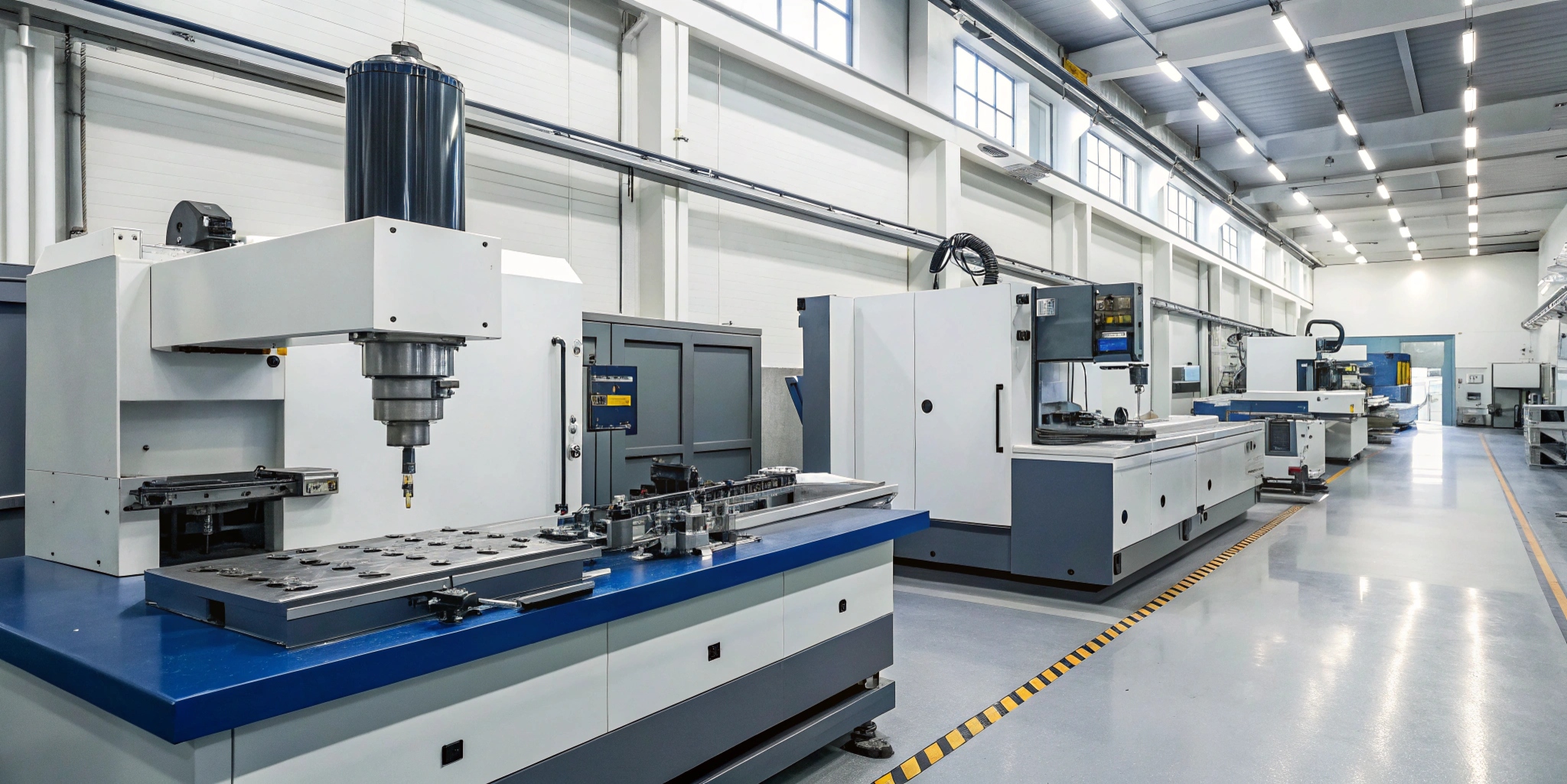
Precision engineering occupies a central and transformative role in today’s manufacturing sector, underpinning the creation of highly accurate and reliable components that drive critical industries forward. From the advanced turbines in airplanes and state-of-the-art automotive engines to vital medical implants and instruments, these essential products demand the utmost in dimensional accuracy and structural consistency. As manufacturing sectors worldwide strive for tighter tolerances, increasingly complex geometries, and higher output volumes, the demand for advanced machine shop capabilities has never been greater. Outfitted with next-generation technologies and adhering to the most stringent quality standards, modern machine shops are indispensable partners in ensuring the safety, efficiency, and innovation required in mission-critical applications across virtually every high-tech industry.
In today’s fast-evolving and fiercely competitive marketplace, manufacturers can only maintain their edge by embracing an unwavering commitment to quality, operational efficiency, and long-term innovation. Modern machine shops are at the forefront of this drive, employing not only the latest technological breakthroughs but also agile engineering methodologies and lean production strategies. In alignment with industry trends, these shops strive not only for greater accuracy but also for increased sustainability than ever before. By continually evaluating and integrating the latest advancements, it becomes clear that precision engineering is not merely a facilitator but rather the very foundation upon which the future of modern manufacturing is built.
The Role of CNC Machining
Computer Numerical Control (CNC) machining represents a quantum leap for the modern machine shop, fundamentally changing the way precision components are manufactured. Unlike traditional manual machining, CNC machines utilize automated controls driven by pre-programmed software to direct the movements of cutting tools, enabling the rapid, repeatable, and exact production of even the most complex parts. Through the use of advanced sensors and cutting-edge software, CNC systems offer real-time feedback and immediate correction during the manufacturing process, ensuring that even the most minuscule deviations can be addressed before they impact product quality. The result is a dramatic boost in part accuracy, repeatability, and overall efficiency. CNC machining also enhances material utilization by minimizing waste and supports just-in-time production strategies, resulting in faster delivery cycles. Additionally, industries that require specialized equipment, such as aerospace, aviation, medical device manufacturing, or even vacuum pump repair facilities, benefit greatly from CNC technology. These capabilities are especially critical in sectors such as aerospace, aviation, and medical device manufacturing, where absolute consistency and high precision are not only desired but also required by regulatory standards and end-user safety protocols.
Integration of Artificial Intelligence
Artificial Intelligence (AI) is reshaping traditional manufacturing paradigms, infusing machine shops with powerful data analytics and automation capabilities that were previously unthinkable just a decade ago. By employing AI-driven algorithms, shops analyze enormous volumes of operational data, unearthing previously hidden insights into machine performance, production bottlenecks, and potential sources of error. AI enables the automated optimization of tool paths, spindle speeds, and feed rates, continuously adjusting parameters to achieve maximum precision and minimal resource consumption. Among the most impactful uses is predictive maintenance: advanced AI models monitor machine trends—such as subtle shifts in vibration, temperature, or acoustic signatures—and can alert technicians to potential issues before catastrophic failure occurs. This reduces expensive unplanned downtime, extends the usable life of high-value equipment, and ensures that shops can deliver on tight schedules. The growing presence of AI in precision engineering translates into unrivaled productivity, process reliability, and confidence in end-product quality..
Advancements in Materials and Tools
Material science and tooling technology are inextricably linked to the progression of precision engineering, expanding the boundaries of what can be manufactured with today’s machines. The introduction of high-performance alloys, technical ceramics, and sophisticated composites has broadened the possibilities for strength, durability, and application-specific properties. However, these advanced materials often pose significant machining challenges, requiring shops to adopt specialized cutting techniques and regularly update their tooling arsenals. The latest innovation in cutting tools features superior coatings, such as polycrystalline diamond (PCD) and advanced ceramics, both of which deliver exceptional thermal resilience and provide superior wear resistance. As these tools are deployed, machine shops are achieving faster cutting speeds, longer tool life, and dramatically reduced production interruptions due to tool changes. The result is a significant improvement in both output and overall part consistency for customers seeking optimal component performance under demanding conditions.
Automation and Robotics
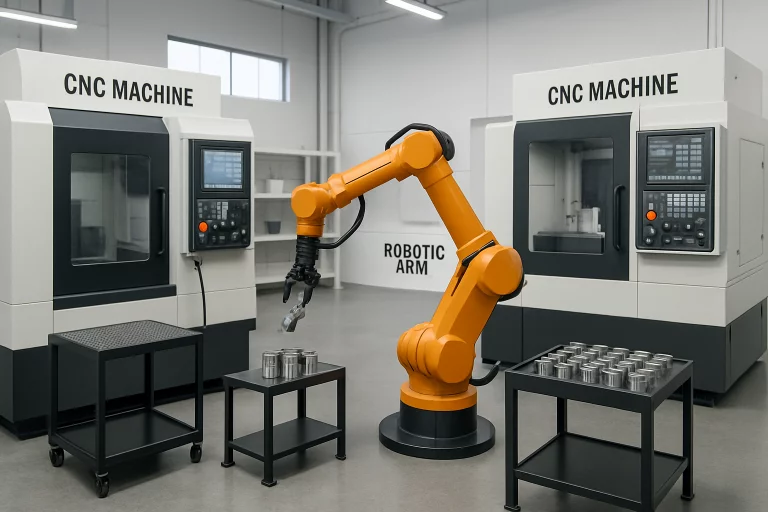
The rise of automation, accelerated by the latest advancements in robotics, has revolutionized productivity and efficiency within the machine shop environment. Modern robotic systems now excel at performing repetitive and labor-intensive tasks—such as material loading, precise part positioning, and automated tool changing—with unmatched speed, accuracy, and reliability. By delegating these functions to robots, shops not only safeguard workers from repetitive strain and hazardous conditions but also ensure consistently high levels of output, even across extended lights-out manufacturing shifts where humans are not required on the production floor. When combined with real-time data analytics and AI, robotic platforms are capable of autonomous process optimization, learning from past cycles, and dynamically responding to changes in order volume or material availability. Such integrated systems streamline shop floor operations, minimize error rates, and help machine shops stay competitive in a global marketplace where efficiency and quality are paramount.
Sustainability in Precision Manufacturing
As environmental concerns and sustainability objectives take center stage in manufacturing strategies, precision machine shops are increasingly prioritizing green practices that go hand-in-hand with high accuracy and cost-effectiveness. Leading shops are investing in innovative ways to recycle or upcycle scrap material, swap conventional coolants with biodegradable cutting fluids, and optimize machining cycles to use less energy and generate less waste. In parallel, some have adopted closed-loop recycling for metal chips and other swarf, ensuring that valuable resources are captured and reintroduced into the production cycle wherever possible. By integrating circular economy principles, shops not only reduce their ecological footprint but also achieve cost savings on materials and disposal, delivering business value alongside environmental stewardship. A commitment to sustainability is rapidly becoming a non-negotiable part of supplier selection criteria for both partners and increasingly eco-conscious consumers.
Digital Twins and Simulations
A breakthrough in modern machine shop operations is the deployment of digital twins—sophisticated virtual models of real-world equipment, tooling, and processes. By continuously syncing real-time data from the factory floor with its digital counterpart, shops can run highly accurate simulations, test new process configurations, and predict the impact of changes without risking physical resources or production delays. This proactive approach eliminates costly trial-and-error setup phases, enabling process engineers to identify both risks and optimization opportunities preemptively. The result is reduced setup times, fewer defects, and maximized machine availability. Digital twins further support ongoing preventive maintenance and enable predictive analytics, facilitating seamless process refinement and faster turnaround times on development projects.
Future Trends in Precision Engineering
Advanced automation through robotics, AI, and machine vision is poised to enhance productivity, quality, and cost control by minimizing human error, streamlining workflows, and enabling greater production scale with reduced manual oversight. The rise of sensor-rich, connected manufacturing—known as “smart factories”—allows real-time data collection, remote equipment monitoring, and predictive analytics for optimal operations. The adoption of 5-axis and emerging 6-axis machines enables the creation of intricate, optimized components in a single setup, reducing secondary operations, lead times, and allowing for innovative geometries. Precision engineering fuels the future of manufacturing, with companies adopting cutting-edge technologies and implementing continuous improvement to meet the increasing demands of customers for quality, complexity, and sustainability. The integration of automation, digital twins, smarter materials, and AI-driven processes ensures high standards for future parts, while environmentally responsible practices ensure industry sustainability.