
Key Takeaways
- Adopt multi-functional furniture and modular layouts for better efficiency.
- Digitize documents to reduce physical storage requirements and streamline access.
- Flexible workplace designs allow businesses to scale up or down as needs shift.
- Vertical and high-density storage solutions make the most of available space.
- Frequent reassessment helps ensure ongoing efficiency and adaptability.
Today’s businesses must find creative ways to make the most of their space while maintaining agile operations. Whether it’s an industrial warehouse, a busy office, or a growing retail location, every square foot counts. Utilizing advanced storage solutions, such as Pallet Rack Systems, can transform underused areas into productive assets. Making strategic changes boosts efficiency and allows businesses to respond quickly as needs evolve.
Space optimization goes beyond just fitting in more inventory or workstations. It supports cost savings, boosts employee satisfaction, and enhances customer experiences by reducing clutter and improving workflow. Finding the right balance between space utilization and operational flexibility is a challenge that, when met successfully, can help organizations of any size thrive in fast-paced markets.
As organizations shift to digital systems for record-keeping and communication, they gain the power to repurpose prime real estate. Improving access to data and freeing up physical space impacts everything from individual job performance to broader business capacity.
Implementing adaptable storage and movement solutions, such as casters, also contributes to operational flexibility by enabling quick layout changes and efficient material handling throughout the facility.
Integrating furniture designed for multiple uses immediately increases space efficiency. For example, desks that convert into meeting tables, chairs with built-in storage, or mobile partitions that double as whiteboards enable businesses to do more with less. Modular layouts are particularly valuable in dynamic work environments, enabling real-time reconfiguration to accommodate shifting priorities or project-based teams. This approach is especially advantageous in coworking facilities and organizations that frequently host collaborative sessions.
Digitize Documents to Free Up Physical Space
Transitioning to digital document management has a major impact on the storage footprint required by a business. Scanning paper files and storing them securely in the cloud or on a server declutters physical environments and vastly improves document access and security. This shift allows previously occupied areas to be repurposed for meeting spaces, additional workstations, or specialized equipment. The advantage extends beyond reducing clutter. Digital records are easy to search, share, and protect, which supports business continuity and disaster recovery planning.
Implement Flexible Workspaces
Workforce expectations have shifted, with remote and hybrid roles becoming more common. Flexible desks, reservable work zones, and adaptive conference rooms allow employees to move in and out of workspaces as needed, without the company having to unnecessarily dedicate fixed resources. Businesses can expand or contract their utilization of office space depending on team sizes, project timelines, or changing market conditions. This adaptability supports ongoing organizational transformation and helps reduce operational costs.
Utilize Vertical Storage Solutions
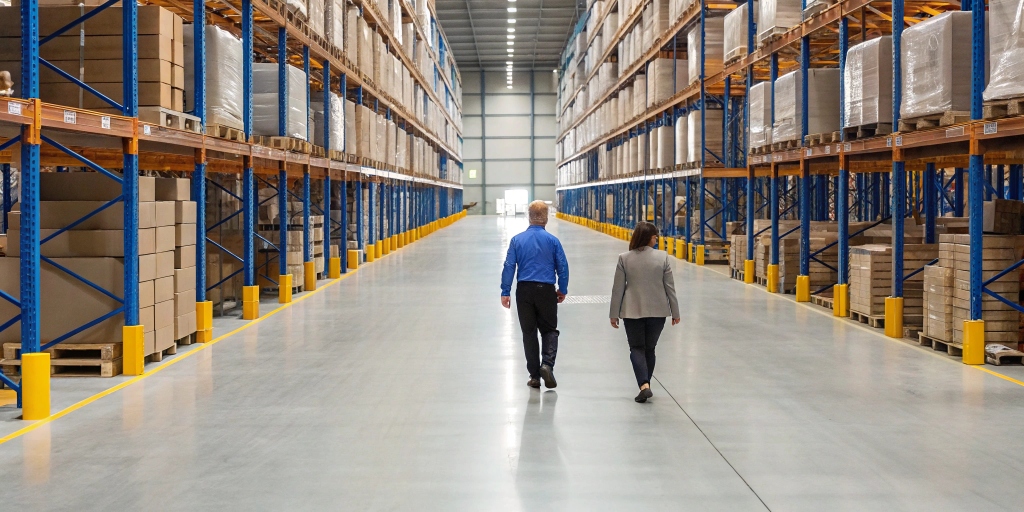
When floor space is at a premium, vertical storage becomes a valuable asset. High-density shelving, stackable bins, and tall pallet rack systems allow for much larger inventory or material volumes in the same square footage. Proper use of wall space rather than only floor area prevents overcrowding, minimizes clutter, and improves access in both warehouses and retail stores. Vertical storage systems are also crucial for facilities that need to keep spaces clear and safe for large equipment or pedestrian traffic. Efficient vertical organization is fundamental to streamlined warehouse and retail management.
Adopt Self-Storage for Overflow Needs
To accommodate periodic inventory spikes or short-term projects, businesses often benefit from renting self-storage units. Self-storage offers flexibility without requiring costly expansion or permanent renovations. This solution allows companies to adapt quickly and only pay for the additional space when they need it. During seasonal surges or when transitioning between locations, self-storage plays a vital role in maintaining a clutter-free environment and ensuring business continuity.
Regularly Reassess Space Utilization
Set periodic reviews of layout and storage arrangements to ensure every area continues to serve a purpose. Businesses that routinely audit their space use can identify emerging bottlenecks, adapt more quickly to organizational growth, and keep environments aligned with operational goals. A data-driven approach helps ensure spaces remain optimized for productivity and flexibility rather than drifting toward inefficiency over time.
Leverage Technology for Space Management
Managing space today benefits from advanced tools. IoT-based sensors and space management software collect real-time data about how rooms, workstations, or inventory areas are utilized. With analytics, leaders can uncover trends, such as consistently underutilized zones or unexpected choke points, enabling proactive improvements. Technology-driven insights lead to more precise decision-making and avoid costly, unnecessary expansions or reconfigurations.
Conclusion
Effectively maximizing space while maintaining operational flexibility requires a proactive blend of innovative furniture, digital processes, strategic storage, and technology-enabled management. By taking a comprehensive, ongoing approach to space utilization and building in flexibility through furniture, smart layouts, and robust storage options, businesses can continually adapt to change and position themselves for growth in any market.




Leave a Reply