15 No-Spend Month Rules to Transform Your Financial Habits
Saving money feels tough. Bills pile up. Impulse shopping sneaks in. A no-spend month changes that. It’s a challenge to stop spending on non-essentials for 30 days. You focus on needs, not wants. This article shares 15 no-spend month rules to help you succeed. These rules guide your financial habits. They build discipline. They boost your savings goals. Let’s dive in.
What Is a No-Spend Month?
A no-spend month means no spending on non-essential expenses. You cover necessities like rent, utilities, and groceries. You skip dining out, streaming services, and impulse buys. The goal is to reset your spending habits. It helps you save extra money. It strengthens your financial strategy. Many try it in January or February, called “No-Spend January” or “No-Spend February.”
Why Try a No-Spend Month?
This challenge sparks change. It improves your money mindset. It builds your emergency fund. You learn to control discretionary spending. Here’s why it matters:
- Saves Money: Redirect funds to savings goals or debt repayment.
- Builds Discipline: You resist impulse shopping and fast food.
- Boosts Awareness: Track every dollar with a spending tracker.
- Supports Goals: Align spending with your financial plan.
15 No-Spend Month Rules to Follow
These 15 rules make the challenge clear. They keep you focused. Follow them to succeed.
Rule 1: Define Essential vs. Non-Essential Expenses
List what’s essential. Rent, utilities, and groceries count. Dining out and gift cards don’t. Be strict. Essentials keep you housed, fed, and safe. Non-essentials include e-commerce websites and entertainment. Write this list before starting. It guides your decisions.
Rule 2: Set Clear Financial Goals
Know why you’re doing this. Want to grow your emergency fund? Pay off credit card bills? Save for a retirement fund? Clear goals keep you motivated. Use a budget planner app like MyFinance Manager. Track progress. Celebrate small wins.
Rule 3: Create a 30-Day Calendar
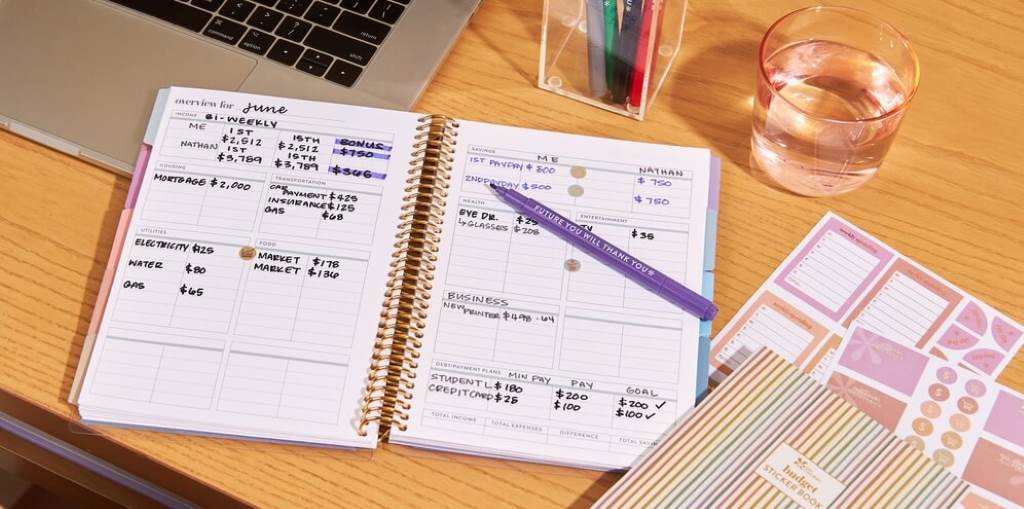
Plan your month. Use a 30-day calendar to mark no-spend days. Highlight paydays or bill due dates. Visuals help you stay on track. Apps like The Savvy Budget Tracker work well. They simplify budgeting categories.
Rule 4: Meal Plan to Cut Costs
Meal planning saves money. Plan meals around perishable foods in your pantry. Skip fast food. Cook at home. Batch-cook to save time. This cuts your grocery budget. It reduces temptation to eat out.
Rule 5: Avoid Impulse Shopping
Impulse shopping kills budgets. Unsubscribe from e-commerce emails. Avoid browsing online stores. If tempted, wait 24 hours. Most urges fade. This rule strengthens your financial habits.
Rule 6: Use a Spending Tracker
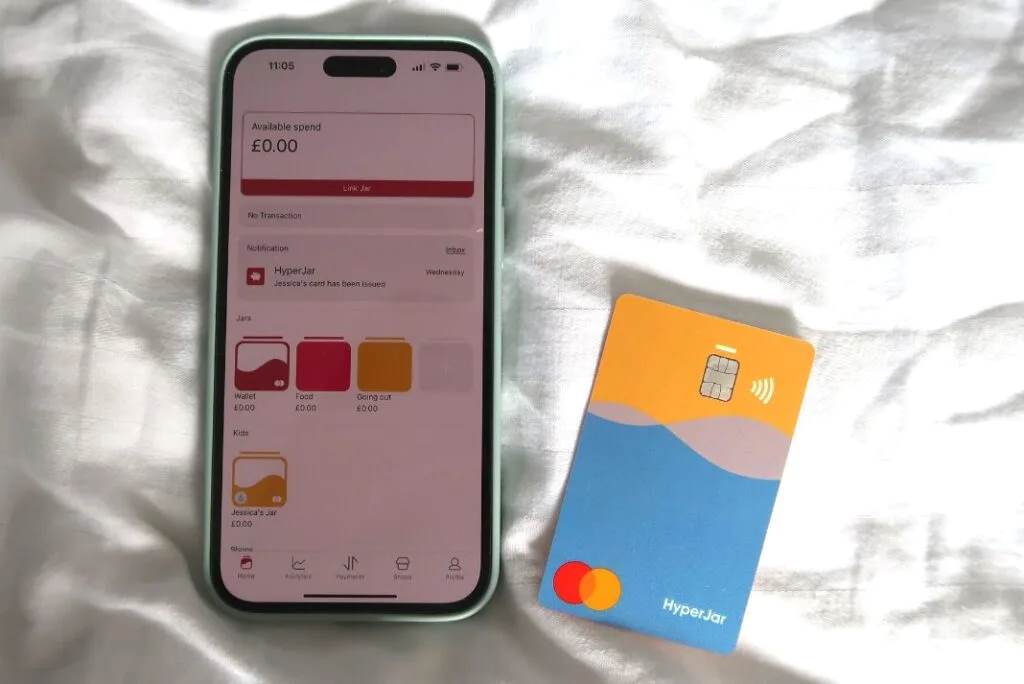
Track every penny. Use a no-spend month tracker. Apps like HyperJar savings jar help. Log expenses daily. This builds awareness. You spot leaks in your budget fast.
Rule 7: Cancel Non-Essential Subscriptions
Pause streaming services. Skip premium apps. Check your bank account for auto-renewals. Cancel what you don’t need. Use library-affiliated streaming services instead. They’re free.
Rule 8: Socialize at Home
Dining out adds up. Host friends at home. Plan potlucks or game nights. Socializing at home cuts costs. It keeps your no-spend challenge fun. You still connect without spending.
Rule 9: Use Zero-Based Budgeting
Try a zero-based budgeting system. Assign every dollar a job. Cover essentials first. Put extra money toward savings or debt. This method, praised by You Need a Budget, maximizes savings.
Rule 10: Leverage Gift Cards Wisely
Got gift cards? Use them for essentials. Save cash for your bank account. Don’t buy new ones. This keeps your no-spend month intact.
Rule 11: Focus on Free Activities
Skip paid entertainment. Visit national parks or libraries. Walk or read for fun. Free activities boost mental health. They keep your no-spend month engaging.
Rule 12: Build Digital Willpower
Social media tempts spending. Limit time on platforms. Avoid ads. Use browser extensions to block e-commerce websites. Digital willpower protects your budget.
Rule 13: Plan for Car Repairs and Insurance
Car repair and car insurance are essentials. Budget for them. Don’t let unexpected costs derail you. Check your financial plan to cover these.
Rule 14: Reward Yourself at the End
Set a small reward. Maybe a coffee or book. Keep it cheap. Rewards motivate you. They make the challenge feel worth it.
Rule 15: Reflect and Adjust
After 30 days, review your progress. Did you meet your savings goals? What worked? What didn’t? Adjust your financial strategy. Keep good habits going.
Related:
The Ultimate Guide to Personalized Workout Plan Generators
Fixed Deposits Good or Bad: Exploring the Advantages
Tips for Success in a No-Spend Month
These tips boost your chances. They make the challenge easier.
- Join a Community: Try a Buy Nothing group. Swap items instead of buying. Connect with others for support.
- Work with a Planner: A Certified Financial Planner helps. They guide your financial goals. Find one like Kendall Meade for advice.
- Use Cash-Back Cards: If essentials are needed, use cards like Blue Cash Preferred® Card or American Express. Earn rewards without breaking rules.
- Track Credit Utilization: Keep credit score healthy. Pay bills on time. Avoid new debt during the challenge.
- Adopt a Financial Fast: Treat this like a financial fast. Reset your money mindset. Focus on long-term goals.
Common Challenges and How to Overcome Them
A no-spend month isn’t easy. Temptations arise. Here’s how to handle them:
- Craving Fast Food: Keep a food plan. Prep meals ahead. It saves time and money.
- Social Pressure: Explain your goals to friends. Suggest free activities. They’ll understand.
- Unexpected Costs: Use your emergency fund. Don’t stress. Plan better next time.
- Boredom: Find free hobbies. Libraries and parks offer endless options.
How a No-Spend Month Impacts Your Life
This challenge changes more than your bank account. It builds discipline. It improves mental health. You gain control over spending. Your debt-free journey speeds up. Your retirement fund grows. You learn to live with less.
FAQs
What Is a No-Spend Month Challenge?
It’s a 30-day challenge to avoid non-essential spending. You focus on necessities. It builds savings and discipline.
Can I Use Gift Cards During a No-Spend Month?
Yes, use existing gift cards for essentials. Don’t buy new ones. It keeps your challenge intact.
How Do I Stick to a No-Spend Month?
Plan meals. Track spending. Avoid temptations. Use a budget planner app. Set clear goals.
What Are Non-Essential Expenses?
Non-essentials include dining out, streaming services, and impulse buys. Essentials are rent, groceries, and utilities.
Does a No-Spend Month Help My Credit Score?
It can. Paying bills on time and reducing credit utilization helps. Avoid new debt.
Ready to transform your finances? Start a no-spend month today. Pick a month like January or February. Follow these 15 rules. Track your progress. Share your journey in the comments. Let’s save money together!
References
- Budgeting tips: https://www.youneedabudget.com
- Financial planning advice: https://www.cfp.net
- Savings strategies: https://www.americanexpress.com
- No-spend challenge ideas: https://www.marcus.com
- Money-saving tips: https://www.hyperjar.com