
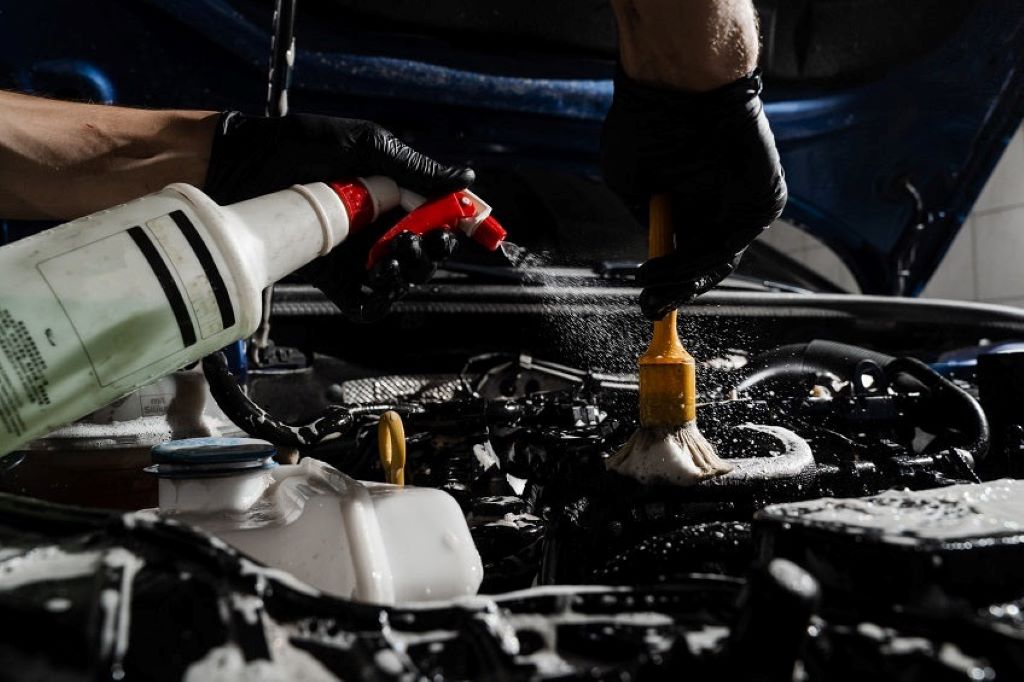
Washing a car engine might seem daunting, but it’s a task that can significantly improve your vehicle’s performance and longevity. A clean engine runs cooler, looks better, and allows for easier maintenance. However, the process requires care to avoid damaging sensitive components. This comprehensive guide covers everything you need to know about an engine car wash, including preparation, safety tips, step-by-step instructions, and common mistakes to avoid.
Why Wash Your Car Engine?
A car engine accumulates dirt, grease, and grime over time, especially if you drive in dusty or muddy conditions. These contaminants can affect performance by clogging air filters, reducing cooling efficiency, or causing corrosion. Additionally, a clean engine makes it easier to spot leaks or mechanical issues during routine inspections. Regular cleaning can also enhance your vehicle’s resale value, as a well-maintained engine signals care to potential buyers. For detailed guidance on the process, check out this resource on engine car wash to ensure you’re following best practices.
Preparation for Washing Your Car Engine
Before starting an engine car wash, proper preparation is critical to protect your vehicle and ensure safety. Here’s how to get ready:
- Choose the Right Location: Select a well-ventilated area, preferably outdoors, to avoid inhaling fumes. Ensure the location complies with local regulations, as some areas restrict washing due to water runoff.
- Gather Supplies: You’ll need a degreaser, plastic bags, tape, a hose with a low-pressure nozzle, microfiber cloths, a soft brush, and a leaf blower or compressed air for drying.
- Cool the Engine: Ensure the engine is cool to the touch. Washing a hot engine can cause thermal shock, potentially cracking components.
- Disconnect the Battery: Remove the negative terminal of the battery to prevent electrical issues during the wash.
- Cover Sensitive Components: Use plastic bags and tape to cover the alternator, air intake, battery, and any exposed electrical connectors. This prevents water damage to critical parts.
Taking these steps minimizes risks and sets the stage for a safe and effective cleaning process.

Step-by-Step Guide to Washing a Car Engine
Once you’re prepared, follow these steps for a thorough engine car wash. The process is straightforward but requires attention to detail to avoid mistakes.
Step 1: Apply Degreaser
Start by spraying a quality degreaser over the engine bay, focusing on greasy or heavily soiled areas. Let it sit for 3-5 minutes to break down grime. Avoid using excessive amounts, as this can lead to runoff into sensitive components. For high-quality cleaning products, resources like autonags.com offer recommendations tailored to car maintenance needs.
Step 2: Brush and Rinse
Use a soft-bristled brush to gently scrub the engine surfaces. Focus on areas with stubborn dirt, but avoid aggressive scrubbing on delicate parts like wiring. Next, rinse the engine with a low-pressure hose or sprayer. High-pressure water can force moisture into electrical components, so keep the pressure low.
Step 3: Dry the Engine
Drying is a critical step to prevent water spots or corrosion. Use a leaf blower or compressed air to remove water from crevices. Follow up with microfiber cloths to wipe down accessible areas. Ensure no standing water remains, especially around electrical components.
Step 4: Inspect and Reconnect
After drying, remove the plastic coverings and inspect for any missed spots or water residue. Reconnect the battery and start the engine to ensure it runs smoothly. Let it idle for a few minutes to evaporate any remaining moisture.
Common Mistakes to Avoid
While an engine car wash is beneficial, mistakes can lead to costly repairs. Here are some pitfalls to steer clear of:
- Using High-Pressure Water: High-pressure washers can dislodge wires or force water into sensitive areas, causing electrical failures.
- Neglecting to Cover Components: Failing to protect the alternator, battery, or air intake can lead to short circuits or engine damage.
- Washing a Hot Engine: As mentioned, a hot engine can crack when exposed to cold water, leading to expensive repairs.
- Overusing Degreaser: Excessive degreaser can strip protective coatings or seep into areas where it’s hard to rinse out.
- Skipping the Drying Step: Leaving water in the engine bay can cause rust or electrical issues over time.
By avoiding these errors, you can ensure a safe and effective cleaning process that enhances your engine’s performance.
Benefits of Regular Engine Cleaning
Regularly washing your car engine offers several advantages beyond aesthetics. For instance, a clean engine runs cooler, as dirt and grime can insulate heat, leading to overheating. Additionally, routine cleaning helps you spot issues like oil leaks or worn belts early, saving on repair costs. A well-maintained engine also improves fuel efficiency, as debris can interfere with airflow and combustion. Finally, a clean engine bay reflects a well-cared-for vehicle, which can boost resale value. Therefore, incorporating an engine car wash into your maintenance routine is a smart investment.
Safety and Environmental Considerations
Safety is paramount when performing an engine car wash. Always wear gloves and eye protection to shield yourself from chemicals and debris. Work in a well-ventilated area to avoid inhaling degreaser fumes. Moreover, consider the environmental impact of your cleaning process. Use biodegradable degreasers and avoid washing in areas where runoff can enter storm drains, as this can pollute local waterways. Some regions have strict regulations on car washing, so check local laws to stay compliant.
How Often Should You Wash Your Engine?
The frequency of an engine car wash depends on your driving conditions. If you frequently drive on dusty roads or in harsh weather, cleaning every 6-12 months is advisable. For city drivers with minimal exposure to grime, once every 1-2 years may suffice. However, always inspect your engine bay regularly to determine if cleaning is needed sooner. Over-cleaning can be unnecessary and may risk damage, so strike a balance based on your vehicle’s needs.
Professional vs. DIY Engine Cleaning
Deciding between a professional engine car wash and a DIY approach depends on your comfort level and resources. Professional services often use specialized equipment and have experience handling different engine types, reducing the risk of damage. However, they can be costly, ranging from $50 to $150 depending on the service. DIY cleaning is more affordable but requires time, effort, and careful attention to detail. If you’re confident in your preparation and technique, DIY can be a rewarding option. Otherwise, a professional service may be worth the investment for peace of mind.
FAQs About Washing a Car Engine
-
Is it safe to wash a car engine?
Yes, it’s safe if done correctly. Protect electrical components, use low-pressure water, and ensure the engine is cool before starting. Following proper steps minimizes risks.
-
Can I use a pressure washer for an engine car wash?
While possible, high-pressure washers are not recommended, as they can damage sensitive components. Use a low-pressure hose or sprayer for safer cleaning.
-
How long does it take to wash a car engine?
The process typically takes 30-60 minutes, depending on the engine’s condition and your experience. Preparation and drying are the most time-consuming steps.
-
What type of degreaser should I use?
Choose a biodegradable, automotive-specific degreaser. Avoid household cleaners, as they may be too harsh or leave residues that harm engine components.
-
Will washing my engine void my warranty?
Generally, washing your engine won’t void your warranty if done properly. However, check your vehicle’s warranty terms or consult your dealer to confirm.
Conclusion
Washing a car engine is a valuable maintenance task that enhances performance, improves aesthetics, and extends your vehicle’s lifespan. By following proper preparation, using the right tools, and avoiding common mistakes, you can safely perform an engine car wash at home. Alternatively, professional services offer convenience for those less confident in DIY methods. Regular cleaning, combined with environmental and safety considerations, ensures your engine stays in top shape. Whether you’re a car enthusiast or simply want to maintain your vehicle’s value, mastering the engine car wash process is a skill worth learning. With the right approach, your engine will not only look pristine but also perform at its best for years to come.
Read More: Career Profile For Auto Mechanic




Leave a Reply