

Market corrections happen. Prices drop. Investors panic. However, the investors who prepare in advance are the ones who come out ahead. A market opportunity analysis helps you spot where the real value lies before the storm hits. It gives you a clear picture of what to buy, what to avoid, and when to act.
This guide walks you through every step of the process. You will learn how to read market signals, evaluate sectors, and position yourself wisely before a correction takes place.
What Is a Market Opportunity Analysis?
A market opportunity analysis is a structured way to evaluate potential investments or business moves. It looks at market trends, sector health, valuations, and risk levels. The goal is simple: find where the best opportunities exist and act before the crowd does.
Before a market correction, this kind of analysis becomes even more important. Prices are often inflated. Risks are hidden beneath the surface. Therefore, knowing how to dig deeper than the headlines can give you a significant edge.
Why You Should Analyze Opportunities Before a Correction
Many investors wait for a correction to happen and then scramble to respond. This approach leaves money on the table. Additionally, reacting after the fact often means buying at the wrong time or missing the best entry points entirely.
Doing your analysis before a correction puts you in control. You can identify which assets are overvalued and which are undervalued. You can also set price targets and buy orders in advance. When the correction comes, you are ready to move with confidence instead of fear.
There is another benefit too. Pre-correction analysis helps you protect what you already have. You can reduce exposure to risky assets before they lose value. This kind of defensive strategy is just as valuable as finding new opportunities.
Step 1: Understand the Current Market Cycle
Every market moves in cycles. There are periods of growth, peak, decline, and recovery. Knowing where you are in that cycle is the first step in any good opportunity analysis.
Look at broad indicators like GDP growth, unemployment rates, and consumer spending. These tell you how healthy the overall economy is. Additionally, watch the yield curve. When short-term interest rates rise above long-term rates, it often signals that a correction is coming.
You should also track market sentiment. Tools like the Fear and Greed Index or investor surveys can show when the market is overly optimistic. Extreme optimism often comes just before a pullback. Therefore, high sentiment scores can actually be a warning sign, not a reason to celebrate.
Step 2: Identify Overvalued and Undervalued Sectors
Not all sectors correct at the same time or to the same degree. Some are more sensitive to economic slowdowns than others. However, every correction tends to hit overvalued areas the hardest.
Start by comparing price-to-earnings (P/E) ratios across sectors. A sector trading well above its historical average P/E is likely overvalued. Technology and consumer discretionary stocks, for example, often carry high valuations during bull markets. These tend to fall sharply when corrections hit.
On the other hand, defensive sectors like utilities, healthcare, and consumer staples tend to hold their value better. Additionally, commodities and real estate investment trusts can offer protection in certain market environments.
Make a simple table. List each sector, its current P/E, its historical average, and its performance during past corrections. This gives you a quick visual reference for where risk is concentrated and where opportunities might emerge.
Step 3: Evaluate Individual Asset Quality
Once you identify the right sectors, zoom in on individual assets. Not every stock in a strong sector is worth buying. Therefore, you need to filter carefully.
Focus on companies with strong balance sheets. Look for low debt-to-equity ratios, high free cash flow, and consistent earnings growth. These companies can weather a correction more easily because they have financial flexibility. They can buy back shares, increase dividends, or invest in growth when competitors are struggling.
Also consider competitive advantages. Companies with strong brand recognition, pricing power, or unique technology tend to recover faster after corrections. Additionally, look at management quality. A team with a track record of navigating difficult markets is a genuine asset.
Avoid companies that rely heavily on cheap credit or have thin profit margins. These are the ones that typically suffer most during downturns.
Step 4: Use Technical Analysis to Time Your Entry
Fundamental analysis tells you what to buy. Technical analysis helps you decide when to buy. Both matter when preparing for a market correction.
Look at key support and resistance levels for the assets on your list. Support levels are prices where an asset has historically stopped falling and bounced back. Therefore, buying near a support level reduces your risk.
Watch moving averages too. When a short-term moving average crosses below a long-term one, it often signals that a downtrend is forming. This is known as a “death cross” and can be an early warning of a larger correction ahead.
Additionally, pay attention to trading volume. Rising prices on falling volume can signal that a rally is losing steam. This is often a sign that institutional investors are quietly selling while retail buyers are still piling in.
Step 5: Diversify Across Opportunities
Even with a thorough analysis, no single investment is a sure bet. Therefore, diversification remains one of the most important tools in your strategy.
Spread your opportunities across multiple sectors, asset classes, and geographies. This way, if one area corrects more than expected, the rest of your portfolio can cushion the blow. However, diversification does not mean holding everything. It means holding a balanced mix of high-conviction ideas.
Consider including some defensive assets like gold, government bonds, or cash. These tend to rise or hold steady during equity corrections. Additionally, they give you dry powder to deploy once the correction creates attractive entry points.
Step 6: Set Clear Entry Points and Risk Limits
Before a correction, decide exactly where you will buy and how much you are willing to risk. Write these numbers down. This removes emotion from the equation when prices start falling and panic sets in.
Set limit orders at your target prices. A limit order automatically buys an asset when it reaches the price you choose. Therefore, you do not need to watch the market every hour. The trade executes on your behalf.
Also define your maximum loss threshold. If an asset falls more than a certain percentage, consider cutting your position. This protects you from deep losses if your analysis turns out to be wrong. Additionally, it preserves capital for better opportunities later.
Step 7: Monitor Macroeconomic Signals Continuously
Market conditions change quickly. A good opportunity today can turn risky tomorrow. Therefore, ongoing monitoring is essential.
Keep a close watch on central bank policy. Rising interest rates increase borrowing costs and often compress asset valuations. When rates rise quickly, corrections tend to follow. Similarly, watch inflation data. High inflation erodes purchasing power and can prompt aggressive rate hikes.
Geopolitical events also matter. Trade tensions, elections, and conflicts can trigger sudden market swings. However, these events also create short-term opportunities for prepared investors. Stay informed so you can act quickly when conditions shift.
Step 8: Build a Pre-Correction Watchlist
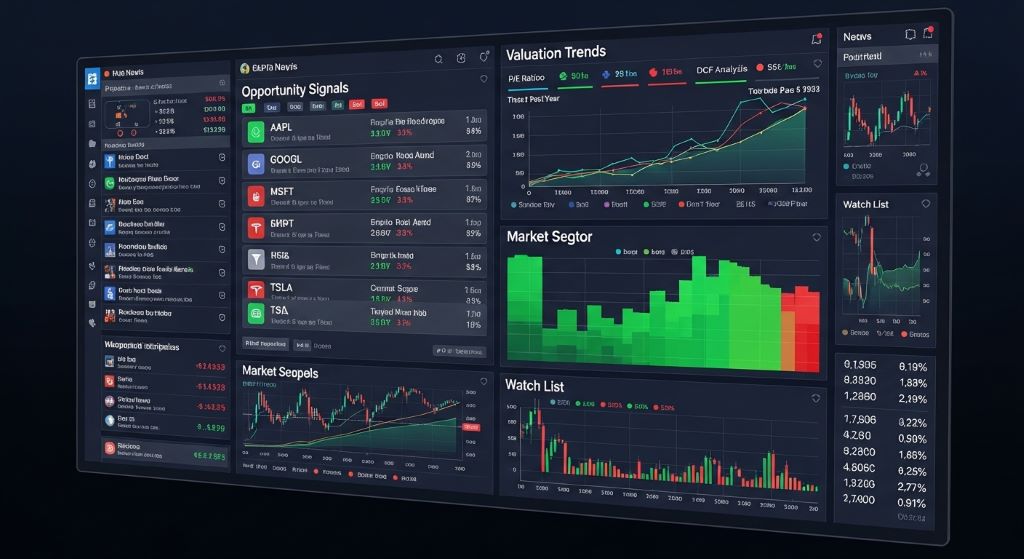
Bring everything together in a watchlist. This is your ready-to-go list of assets you want to buy during a correction. Each entry should include the target price, the reason for inclusion, and the maximum position size.
Review your watchlist regularly. Remove assets that no longer meet your criteria. Add new ones as opportunities emerge. Additionally, keep notes on each asset so you can track whether your thesis is still valid over time.
A well-maintained watchlist means you spend less time deciding and more time executing when the opportunity window opens. Speed matters in volatile markets, so preparation pays off directly.
Common Mistakes to Avoid
Many investors make avoidable errors during the analysis phase. Here are the most common ones to watch out for:
- Relying on a single metric like P/E ratio without looking at the full financial picture
- Ignoring sector rotation trends that signal where smart money is moving
- Overconcentrating in one sector or asset class, even when conviction is high
- Failing to update their analysis as new economic data arrives
- Setting entry points too close to current prices, which leaves little room for correction depth
Avoiding these mistakes takes discipline. However, the reward is a more reliable and repeatable process that works across different market conditions.
Conclusion
A market opportunity analysis before a correction is one of the smartest moves any investor can make. It requires time, discipline, and a structured approach. However, the rewards are substantial.
Start by understanding the market cycle and identifying where valuations are stretched. Then evaluate sectors and individual assets carefully. Use technical analysis to refine your timing. Diversify your opportunities and set clear entry points with defined risk limits. Finally, keep monitoring and updating your watchlist as conditions evolve.
When the correction arrives, and it will, you will be ready. You will know exactly what to buy, at what price, and how much. That kind of preparation turns a scary market event into a genuine opportunity for long-term wealth building.
Frequently Asked Questions
What is the best time to start a market opportunity analysis?
The best time is before any signs of correction appear. Starting early gives you more time to research, compare options, and set up your watchlist without the pressure of a falling market.
How do I know if the market is about to correct?
No indicator is perfect. However, common warning signs include an inverted yield curve, high P/E ratios across major indices, extreme investor sentiment, and rising interest rates. Watching several signals together gives a more reliable picture.
Should I sell everything before a correction?
Not necessarily. A better approach is to reduce exposure to overvalued assets, increase defensive holdings, and hold cash for new opportunities. Selling everything can trigger tax events and cause you to miss recovery gains.
Can small investors do a market opportunity analysis?
Yes. You do not need a financial team or expensive software. Free tools like financial news sites, stock screeners, and brokerage research platforms give individual investors everything they need to run a solid analysis.
How often should I update my pre-correction watchlist?
Review it at least once a month, and immediately after any major economic event such as a central bank meeting, jobs report, or significant geopolitical development. Markets move fast, so keeping your list current is essential.
Related Topics:
Tether (USDT) Price Prediction 2030: A Deep Dive into the Future of the Stablecoin Giant
Crypto Investing Guide: How to Invest in Bitcoin, DeFi, NFTs, and More




Leave a Reply