

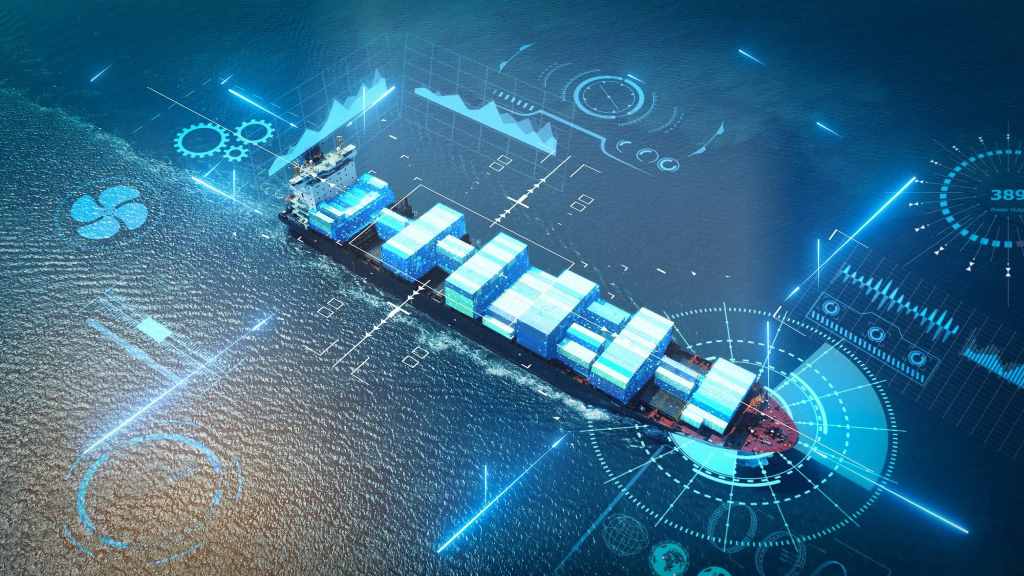
The maritime industry, a cornerstone of global trade and transportation, is undergoing a digital transformation. Ships are increasingly equipped with sophisticated sensors, navigation systems, and communication technologies, generating vast amounts of data. This data holds the key to optimizing operations, improving safety, and reducing environmental impact. However, the unique challenges of the maritime environment make file synchronization a formidable task.
The Maritime Data Deluge
Modern vessels are data powerhouses. They collect information on everything from engine performance and fuel consumption to weather conditions and cargo status. This data is essential for making informed decisions, both on board and ashore. For instance, real-time data on engine parameters can help engineers identify potential problems before they become critical, while weather data can be used to optimize routes for fuel efficiency.
However, the sheer volume and variety of data generated by ships can overwhelm traditional file synchronization methods. Moreover, the maritime environment presents several unique challenges that make data synchronization even more complex, especially with the implementation of high-security locks.
The Turbulent Waters of Maritime File Synchronization
- Limited Connectivity: Ships often operate in remote areas with limited or intermittent internet connectivity. This makes real-time data synchronization difficult and necessitates robust offline synchronization mechanisms.
- Bandwidth Constraints: Even when connectivity is available, bandwidth is often limited and expensive. This means that data synchronization strategies must be efficient and prioritize essential data.
- Harsh Conditions: Ships operate in harsh conditions, with exposure to salt water, vibration, and extreme temperatures. This can damage electronic equipment and disrupt data transmission.
- Data Security: Maritime data is often sensitive, including information on cargo, crew, and ship movements. This requires robust security measures to protect data from unauthorized access or tampering.
- Regulatory Compliance: The maritime industry is subject to various regulations regarding data collection, storage, and transmission. File synchronization solutions must comply with these regulations to avoid legal issues.
Charting a Course for Success: Solutions for Maritime File Synchronization
Despite these challenges, several innovative solutions are emerging to address the maritime file synchronization problem. These solutions leverage advanced technologies and strategies to ensure reliable, efficient, and secure data synchronization in the maritime environment.
- Edge Computing: Edge computing involves processing data closer to its source, reducing the need to transmit large volumes of data over limited bandwidth connections. This can significantly improve the speed and reliability of file synchronization.
- Data Prioritization: Not all data is created equal. Data prioritization algorithms can identify and prioritize essential data for synchronization, ensuring that critical information is always available.
- Offline Synchronization: Offline synchronization mechanisms allow data to be synchronized even when internet connectivity is unavailable. This is essential for ships operating in remote areas.
- Compression and Deduplication: Data compression and deduplication techniques can reduce the size of data to be synchronized, minimizing bandwidth usage and improving synchronization speed.
- Security Protocols: Robust security protocols, such as encryption and authentication, are essential to protect maritime data from unauthorized access or tampering.
- Cloud-Based Solutions: Cloud-based file synchronization solutions offer scalability, flexibility, and ease of management. They can also leverage cloud resources for data processing and analysis.
Sailing Towards a Data-Driven Future
The maritime industry is on the cusp of a data-driven revolution. The ability to reliably and efficiently synchronize data between ships and shore is essential to unlock the full potential of this revolution. By leveraging innovative technologies and strategies, the maritime industry can conquer the waves of data and navigate towards a future of enhanced safety, efficiency, and sustainability.
The Role of AI in Maritime File Synchronization
Artificial intelligence (AI) is poised to play a pivotal role in enhancing maritime file synchronization. AI algorithms can analyze data patterns, predict synchronization needs, and optimize data transfer strategies. This can lead to more efficient and intelligent file synchronization solutions that adapt to the unique challenges of the maritime environment.
Conclusion
Conquering the waves of data in the maritime industry is a complex but essential task. By embracing innovative solutions and adopting a data-driven mindset, the maritime industry can harness the power of data to optimize operations, improve safety, and reduce environmental impact.




Leave a Reply